


Project Summary
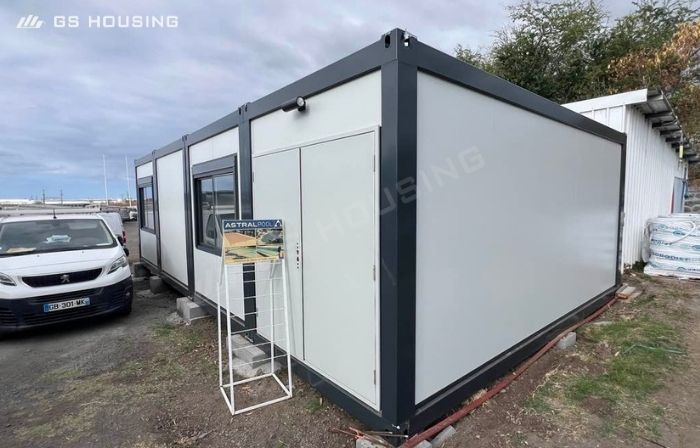
This project, located in Réunion Island, a French overseas department in the Indian Ocean, illustrates how GS Housing flatpack modular housing can be configured for operational facilities in a challenging tropical environment.
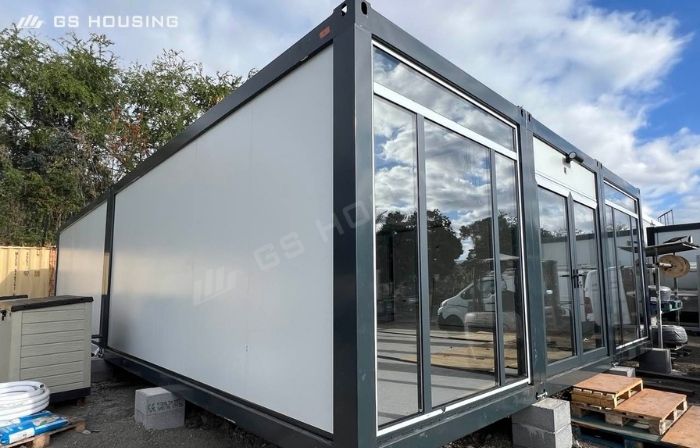
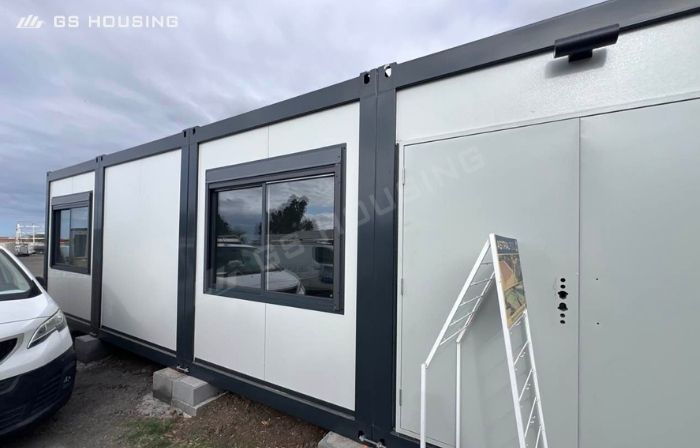
GS Housing supplied two China modular house buildings, one being a six-unit flat-pack modular office and the other a four-unit modular workshop. The two buildings were designed to provide functional working spaces while also considering the environmental conditions of high humidity, exposure to marine salt, heavy rain, and high winds.
The primary challenge to the project team was to strike a balance between two important performance requirements: corrosion protection of the steel building system and the ability to properly engineer the complete structure for local wind conditions.
These requirements have implications that extend beyond steel selection. They affect protective coating, roof and wall details, structural connections, drainage, foundation anchoring, and installation quality. Addressing these factors in procurement and engineering coordination can help reduce maintenance risks and avoid expensive post-delivery modifications for contractors and EPC companies.
Building Configuration for Various Operating Needs
The project uses the flat-pack building system of GS Housing, which combines two functional spaces.
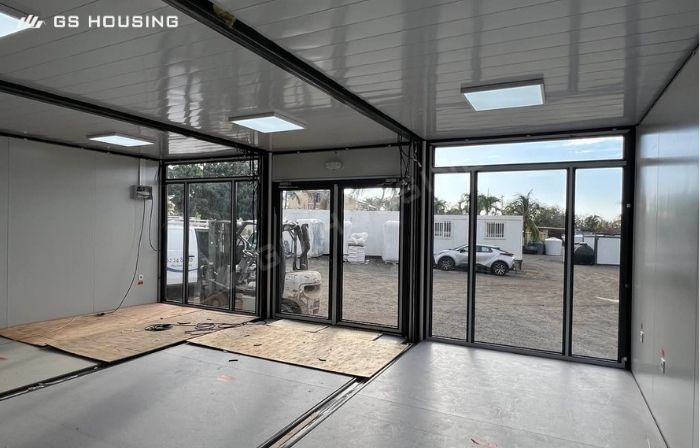
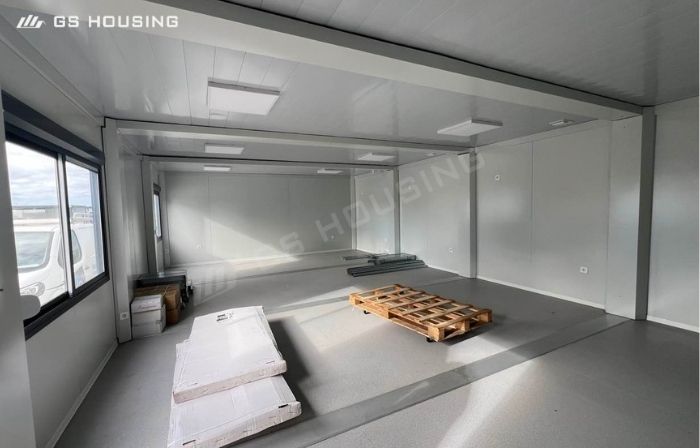
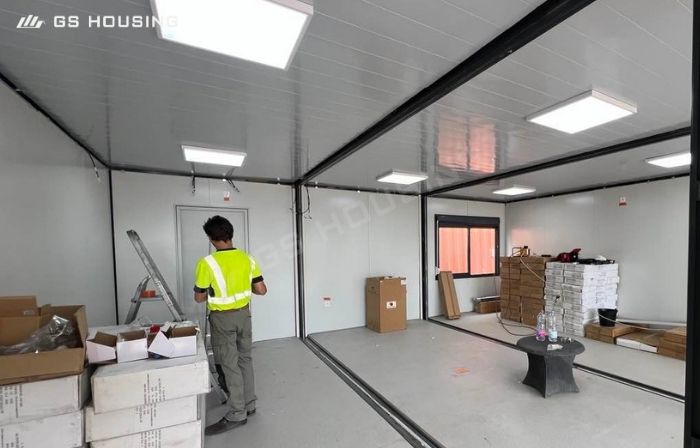
The six-unit modular office provides a larger enclosed space for administrative work, site coordination, meetings, and day-to-day operations. The building layout can be arranged according to the client’s needs by connecting multiple modules while still using structural components that are produced in a factory.
The four-unit modular workshop has a different objective. Depending on the final layout and equipment requirements, the configuration can accommodate equipment installation, maintenance activities, material handling, and other operational tasks.
Their internal arrangements and service needs are different, but the same basic modular construction method is used for both buildings. The modular office may be more concerned with the organization of the workspace and the distribution of electrical power, whereas the workshop may need additional consideration of ventilation, equipment loads, access openings, and maintenance clearances.
For the customer, this distinction is important: the modular house building should be viewed as an operational facility, not just a quantity of container units.
Project Challenges and Engineering Solutions
In this project, special care had to be taken regarding corrosion protection and wind resistance, as the location is in the tropical marine climate of the island of Réunion. Humidity, salt in the air, heavy rain and the possibility of tropical cyclones put the job to the test, complicating the six-unit modular office and four-unit workshop delivered by GS Housing.
Corrosion protection for a tropical marine environment
The coastal island environment may accelerate corrosion due to long-term exposure to moisture and salt, which may reduce the service life of the steel structures. To solve this problem, GS Housing decided to use heavier steel materials than the standard market specifications, and it was a stronger structural solution for the project.
The steel components were galvanized and provided with an additional spray coating based on graphene to increase surface protection against environmental exposure, increase durability, and reduce the risk of corrosion in the island’s harsh climate.
Stronger Wind Resistance and Structural Reinforcement
The stability of modular buildings is an important point, because Reunion Island is subject to high winds and tropical cyclones. GS Housing met this challenge with thicker steel and better quality materials, resulting in a heavier modular unit but a stronger structural solution.
As well as reinforcing the building structure, the container units were secured in high winds with steel reinforcement. This was one measure in a coordinated approach to mitigate the risk of movement or instability in the event of severe weather, in addition to the reinforcement of the foundations.
Handling Heavy Rainfall, Sealing, and Moisture
Water management is directly related to resistance to wind and protection against corrosion. Water that enters a building through roof joints or that is trapped around connections can accelerate deterioration and increase the need for maintenance.
The standard flat-pack roof system of GS Housing has four internal drainage channels, which are connected to four 50 mm PVC downpipes, with sealing treatments around doors, windows, wall panels and connections between combined units.
These details are designed to control rainwater and mitigate the risk of water ingress when assembled correctly. In a humid island environment the continuity of seals and the condition of drainage outlets are particularly important.
Effective moisture management is beneficial to the interior environment and the durability of the steel building system.

What This Project Means for Builders
The six-unit office and four-unit workshop exemplify the deployment of standardized flat-pack container buildings for diverse operational purposes within a single project.
The broader lesson is that modular construction in tropical and coastal environments requires a coordinated engineering approach. The components of the same system have to be assessed, including the specification of structural steel, protective coatings, details of weatherproofing, drainage arrangements, foundation anchorage and the installation procedures.
FAQs
1. What modular buildings did GS Housing provide for the project of Reunion Island?
GS Housing supplied two types of modular buildings for the project—a six-unit modular office and a four-unit modular workshop. The flat-pack modular housing system is a practical answer for providing functional work areas where the building conditions and the environmental exposure demand careful design.
2. What were the greatest challenges of Reunion modular building project?
The main problems to solve were wind resistance and corrosion protection. The tropical marine climate of Reunion Island exposes buildings to high humidity, salt-laden air, heavy rain and possibly severe winds during tropical cyclones. In such conditions special care had to be taken in the selection of materials, in the stability of the structure, and in the reinforcement of the foundation.
3. How did GS Housing enhance corrosion protection for the project?
GS Housing used thicker steel materials and galvanized steel parts with a graphene-based spray coating. This combination was chosen to provide better protection to the steel parts from the elements and also to help mitigate the possibility of corrosion in the humid, possibly salt-laden island environment.
4. Are the modular buildings suitable for tropical island conditions?
Yeah, The right choice of materials, of corrosion protection, of foundation design and of structural reinforcement can allow modular buildings to be adapted to projects on tropical islands.
5. Are the office and workshop flat-pack modular housing made to measure?
Yes. The GS Housing flat-pack modular building system offers flexibility for a range of project applications, including site offices and workshops. The layout, the building configuration, the materials and the reinforcement measures are derived from the assessment of the intended use, the site conditions and the project requirements.
6. What to look for when sourcing modular buildings in cyclone- or coastal-prone locations?
Buyers should not only consider the initial build cost. Other important issues like steel specifications, corrosion protection systems, wind load design, roof and wall connections, anchoring arrangements, foundation conditions, quality of installation and local regulations have to be considered. These factors help determine the applicability of a modular building configuration to the proposed site and operating conditions.
Discuss Your Modular Office or Workshop Project with GS Housing
GS Housing offers flat-pack building solutions from containers for offices, workshops and other operational facilities. Tell our team about your location, building configuration, intended use and engineering requirements to talk about a modular housing solution for your project.
Post time: 14-10-26