


Saudi Arabia is in the midst of an extraordinary building boom. Prefabricated houses are a smart solution for the kingdom's ambitious giga projects, rapidly growing population, and extreme climatic conditions that challenge traditional building methods.
Saudi Arabia is running towards its Vision 2030 targets, and the need for accessible, fast-to-build, and energy-efficient housing has never been more urgent. The prefabricated buildings market size in Saudi Arabia was valued at USD 3.63 billion in 2025 and is projected to grow to USD 5.33 billion by 2030 at a CAGR of 8% through the forecast period. The trend is reflective of a deeper change in the Kingdom’s approach to residential and commercial construction.
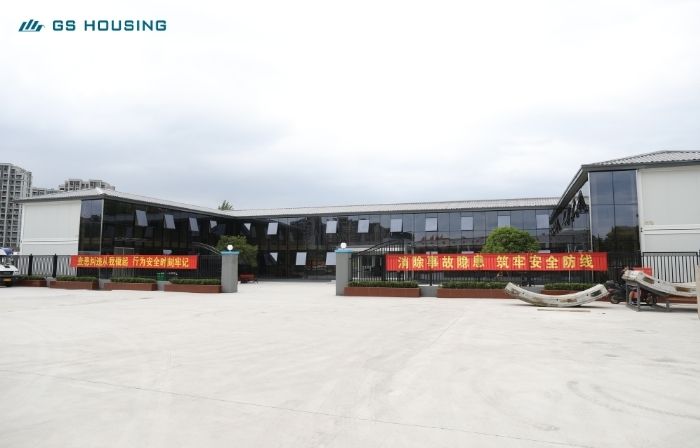
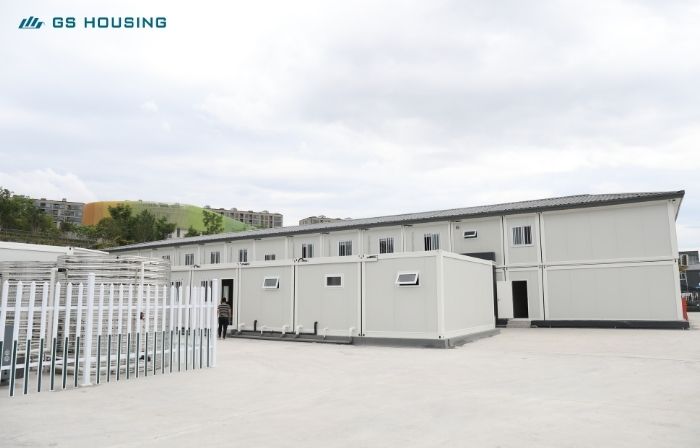
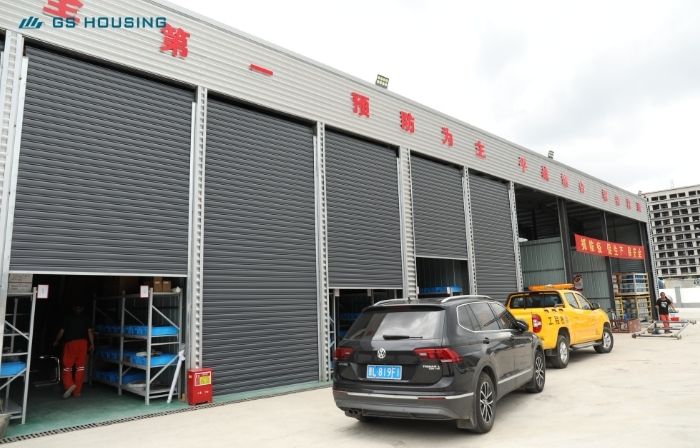
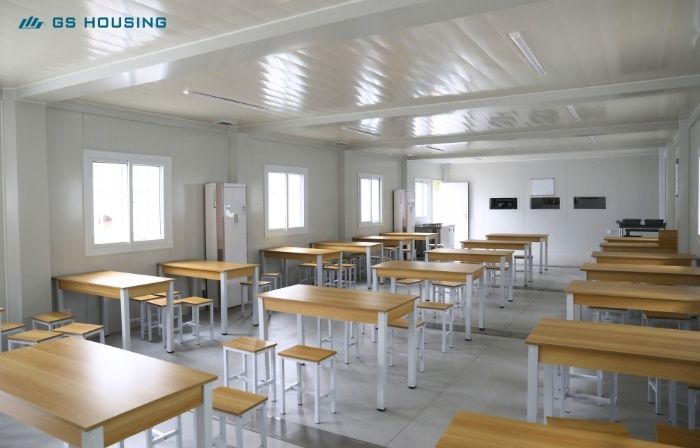
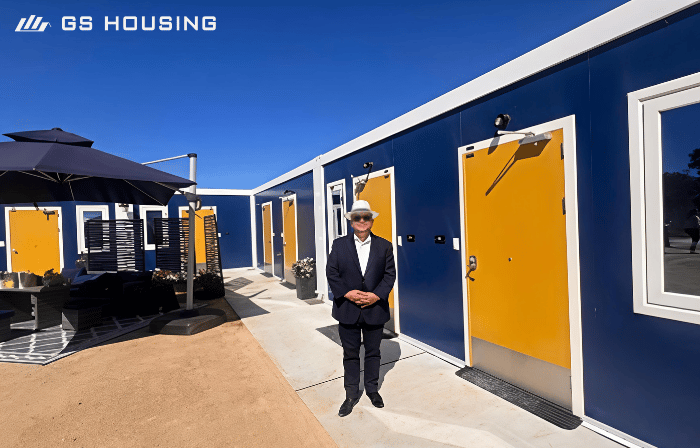
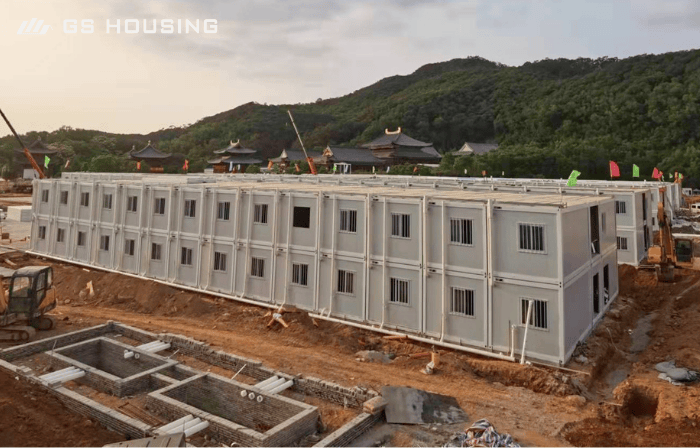
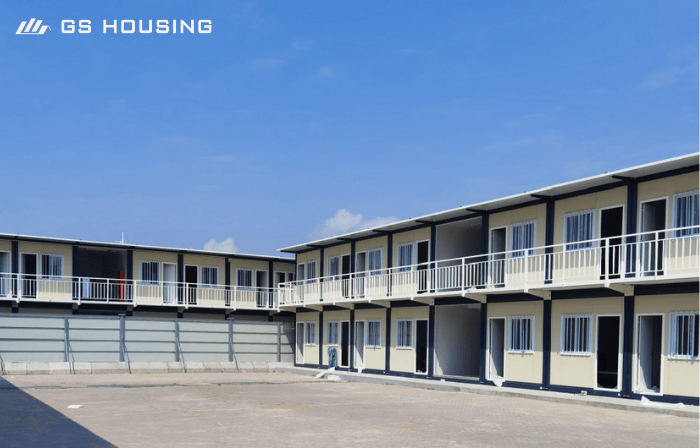
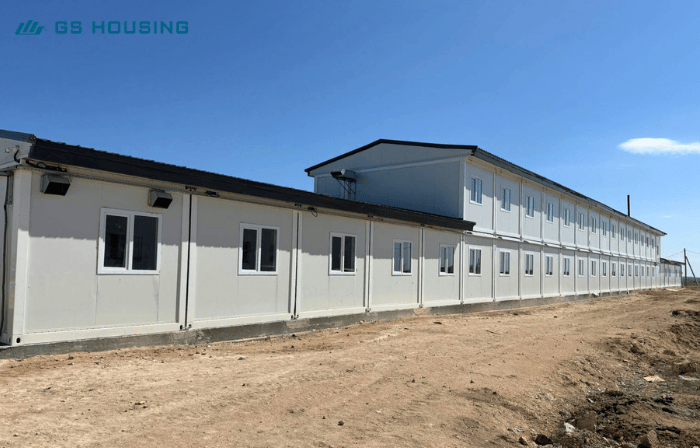
Why Prefabricated Houses Are Gaining Popularity in Saudi Arabia
There’s a lot that’s coming into alignment to make prefab housing the way forward in the kingdom.
Mega Project Development & Vision 2030
Saudi Arabia’s construction boom is part of Vision 2030, the national transformation plan to diversify the economy away from oil and create a sustainable future. The government has pledged to deliver infrastructure megaprojects such as NEOM, the Red Sea Project, and Qiddiya, which all depend heavily on modular and prefabricated construction methods to meet aggressive delivery deadlines.
The modular and prefabricated construction industry is regulated by policies associated with the national housing and building standards of Saudi Arabia. “There are government initiatives to encourage off-site and industrialized construction for faster delivery, better quality, and sustainability.
Rapid Urbanisation and Population Growth
Saudi Arabia’s population in 2022 was approximately 34.79 million and is increasing slowly. The demand for affordable housing is growing due to rapid urbanization as people migrate in large numbers to major cities such as Riyadh, Jeddah, and Dammam. The demand for prefabricated houses is mainly due to the shortage of affordable housing in the residential construction industry caused by the rising population and the increasing number of migrant workers.
Home for All
Saudi Arabia has ambitious housing goals. It wants 70% home ownership by 2030. 1.5m new homes we will have to build to do that”. The Real Estate Development Fund (REDF) is also providing financing solutions to boost homeownership rates, and the ESKAN program is aiming to provide 500,000 affordable housing units. “Prefab housing is the cheaper, faster way to get to those targets.
Designed to withstand the harsh Saudi climate
Saudi Arabia is a country of very hot and harsh climate. The residential sector accounts for nearly 50% of national energy consumption. This reality makes climate-appropriate design a necessity, not an option.
Insulation and Thermal Performance
For example, in Saudi Arabia, prefabricated houses need to be able to withstand extreme temperatures that can reach over 50 degrees Celsius in the summer months. Studies have shown that the optimized prefabricated building envelope components can achieve significant energy savings. Phase change materials and advanced insulation strategies can lead to a reduction of the cooling load up to 48% and annual air conditioning energy consumption up to 51.6% .
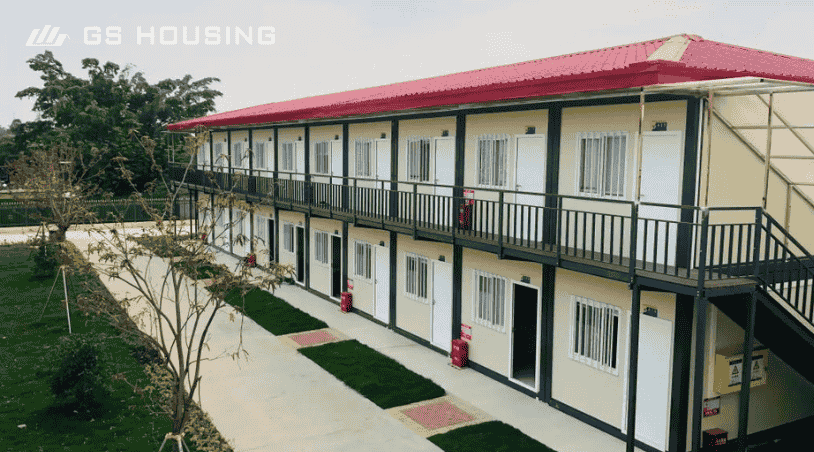
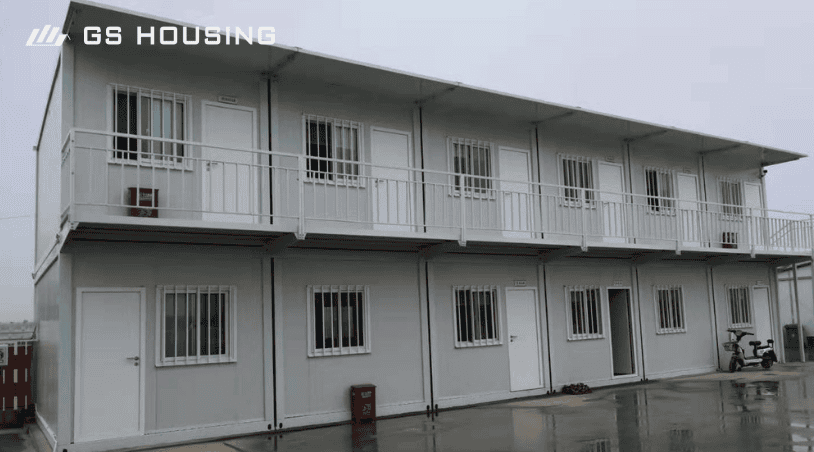
Karmod, Dorce, and GS Housing are famous prefabricated construction site building manufacturers with special insulation applications to provide comfortable living in summer and winter, specially designed for the climate characteristics of Saudi Arabia. These structures have structural reinforcement frames to resist high wind loads and insulation systems to prevent dust ingress, which is important in desert environments where sandstorms are frequent.
Climate Change at the Regional Scale
Saudi Arabia is not a climatic zone. The prefab housing units will need to be designed to cope with the different weather conditions that will exist across the Kingdom.
Prefabricated Houses in Saudi Arabia: Different Types
Segmentation of the Saudi Arabian Modular Construction Market
The modular construction market in Saudi Arabia is broadly categorized into two segments: permanent modular construction and relocatable temporary modular construction.
Modular & Prefabricated Buildings
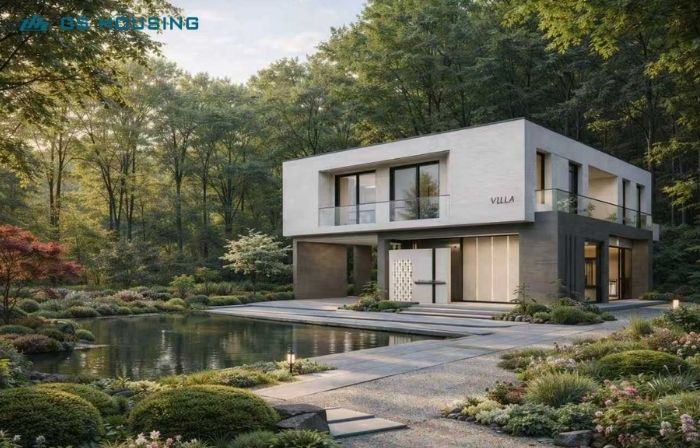
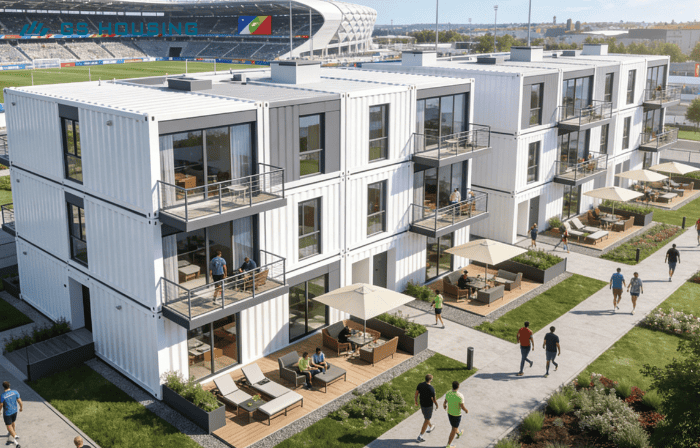
Permanent modular construction is also gaining momentum, as it is durable, meets national building codes, and is well-suited for long-term projects. This type of structure is being increasingly used in the residential, commercial, healthcare, and education sectors, especially for large housing developments and social infrastructure.
Portable Modular Construction
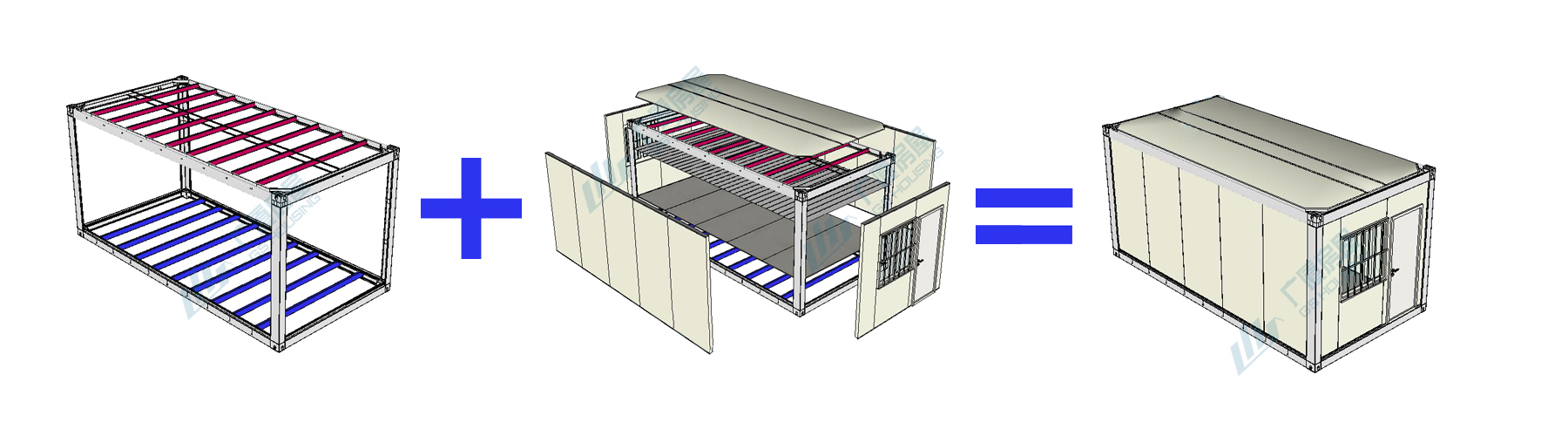
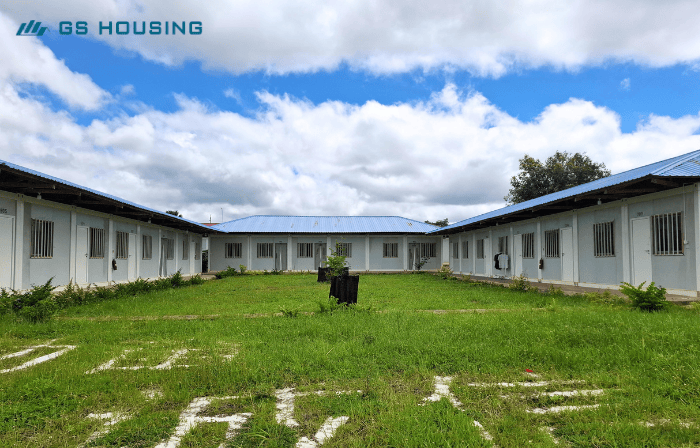
Due to their flexibility and quick deployment, relocatable modules are used in the modular construction industry for temporary or semi-permanent applications such as modular worker accommodation camps, detachable site offices, and remote temporary facilities. The units are transportable, dismantled, moved to another location, and reassembled on site. This is a huge plus for projects with changing requirements.
Prefabricated Building Materials
The strength, durability, structural efficiency, and recyclability of steel make it the market leader in the prefabricated market of Saudi Arabia for modular structures, whether permanent or temporary. Precast concrete is a close second, being popular for its versatility, fire resistance, and economy in foundations, structural frames, and building envelopes. The base is smaller for wood and plastic materials, with growth primarily in residential, interior, and non-structural applications.
Prefabricated House Price in Saudi Arabia Current Market Price
The prefabricated housing market in Saudi Arabia is witnessing massive growth due to the increasing urbanization, population, and government initiatives to fulfill the housing shortage. The prefabricated building and structural steel market size was valued at US$1.75 billion in 2023 and is projected to reach US$2.51 billion by 2032, growing at a CAGR of 4%.
Key cost drivers
Many factors affect the price of prefabricated houses in Saudi Arabia:
Layout and floor plan: Bigger homes cost more because there is more material and labor involved.
Structural System and Material Selection: Steel frames are more expensive than light gauge, but they are more durable and better suited for permanent installations.
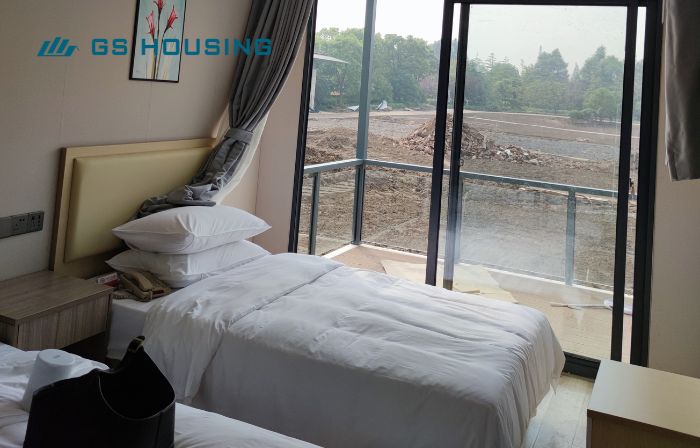
Insulation & Glazing Specification: Severe climatic conditions of Saudi Arabia require high-performance insulation and double-glazed windows to provide energy efficiency and comfort to the occupants. These specifications put a heavy burden on the overall cost.
Interior finish level: The quality of interior materials, from basic finishes to luxury specs, will impact the final price.
Climate-Specific Adaptations: Desert climates need more dustproofing, UV-resistant coatings, and tailored insulation, meaning higher upfront costs but paying dividends long-term in energy use and maintenance savings.
Transport and Logistics: The total cost is impacted by delivery distance, site access, crane requirements, and staging space for multi-module projects. The Kingdom’s huge geography means that logistics planning is essential.
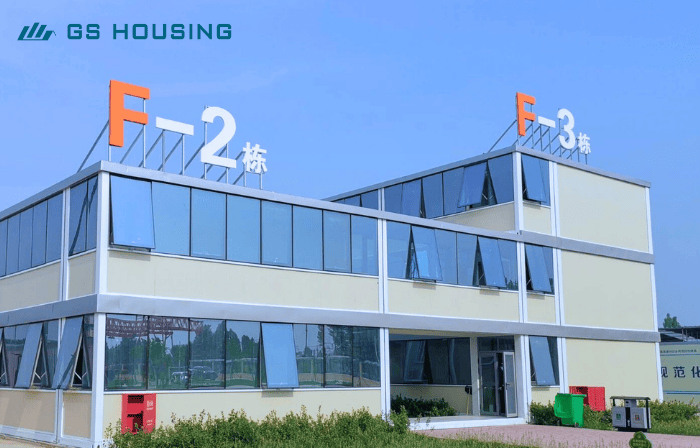
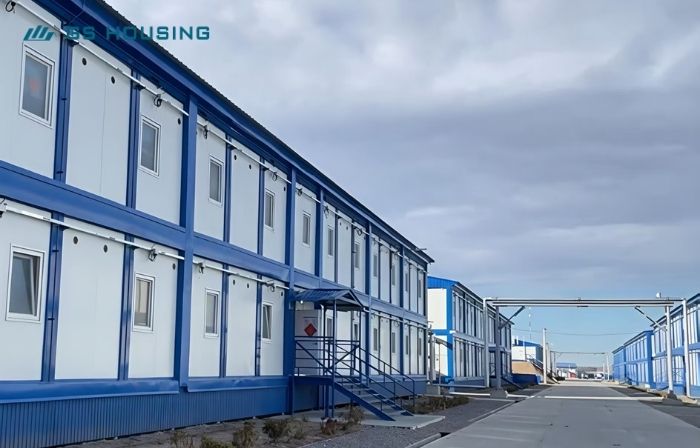
Cost Comparison to Traditional Construction
You may pay the same or a little more to start with a prefab house than with a traditional build, but the value proposition over time is forceful. Modular construction methods are very cost-effective, time-effective, and provide better quality control through off-site manufacturing. And they are sustainable too. Eco-friendly prefabs that cut down on operating costs appeal to green-minded buyers and renters.
Project quotation methodology
In Saudi Arabia, project-based quotes from GS Housing are generally the norm, given the diversity of site contexts from the coastal city of Jeddah to the high-altitude city of Abha and desert interiors. It takes into account local climate needs, site limitations, installation conditions, and selected finishes.
Installation speed is a transformational advantage
One of the biggest benefits of choosing a prefab house in Saudi Arabia is speed. Much of the manufacturing is done off-site in carefully controlled factory environments, so on-site installation can be surprisingly rapid once foundations and utilities are in place.
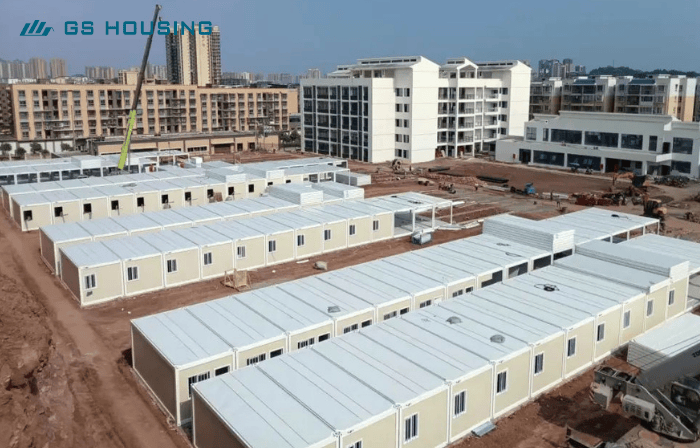
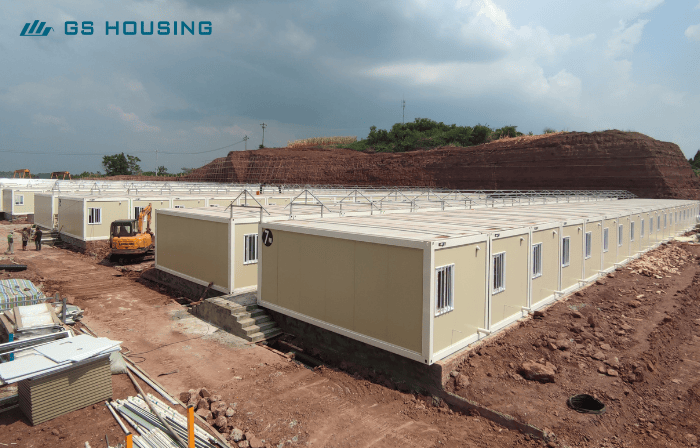
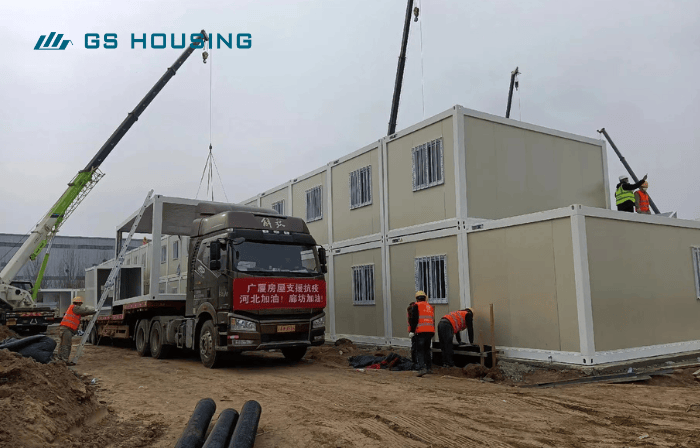
GS Housing prefabricated house installation time is 3-10 days, depending on the size of the house. One portable house takes only 3-4 hours. This sharp reduction in construction time over conventional techniques, which can take months or even years, is particularly critical in a market plagued by severe housing shortages and aggressive project schedules.
The faster enclosure reduces the risk associated with the weather and provides more certainty on scheduling interior works, inspections, and handover. This speed directly translates into faster project mobilization and lower overhead on large-scale projects, such as worker accommodation camps for 1,000 people or more.
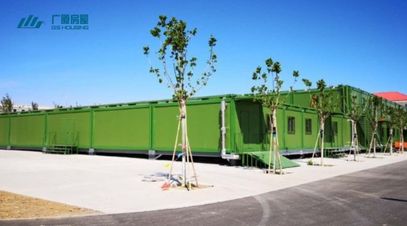
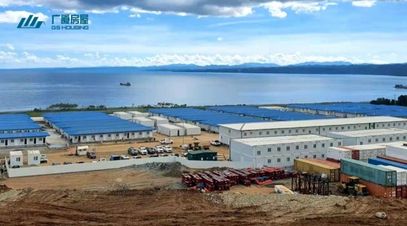
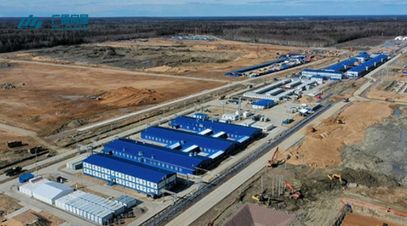
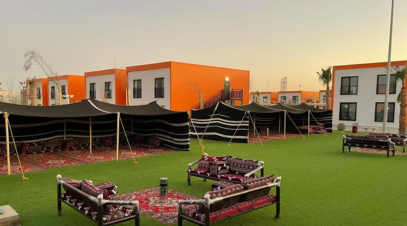
NEOM: The Peak of Prefabricated Construction
But any discussion of prefabricated housing in Saudi Arabia would be incomplete without mentioning NEOM, a $500 billion megacity that is changing the landscape of modular construction.
NEOM will be one of the world’s largest urban projects and a hub of world-leading innovation with a new model for how we live and develop sustainably. The project has united international leaders of modular construction:
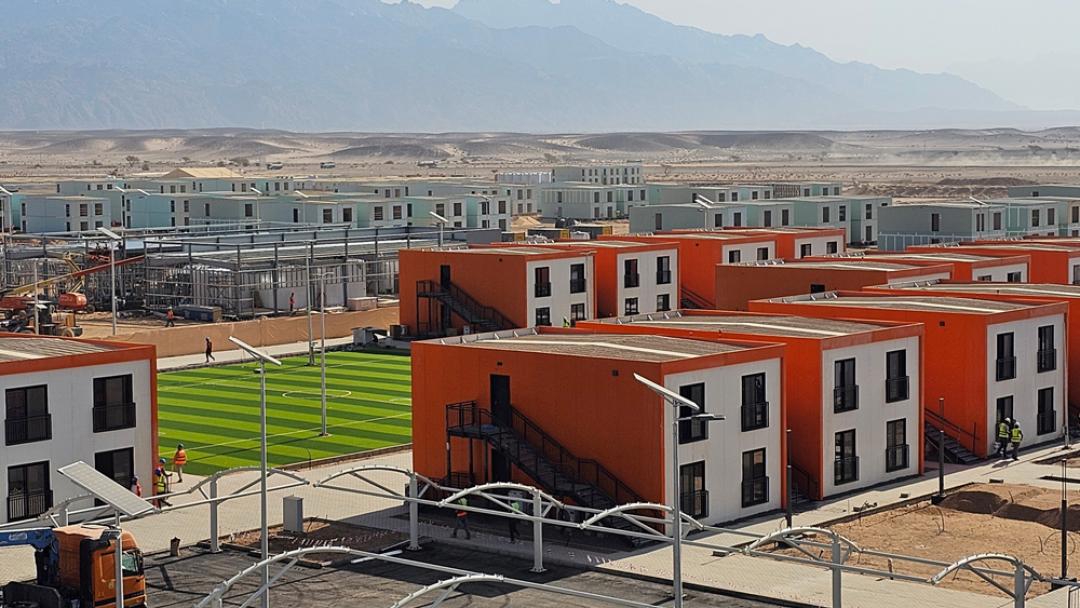
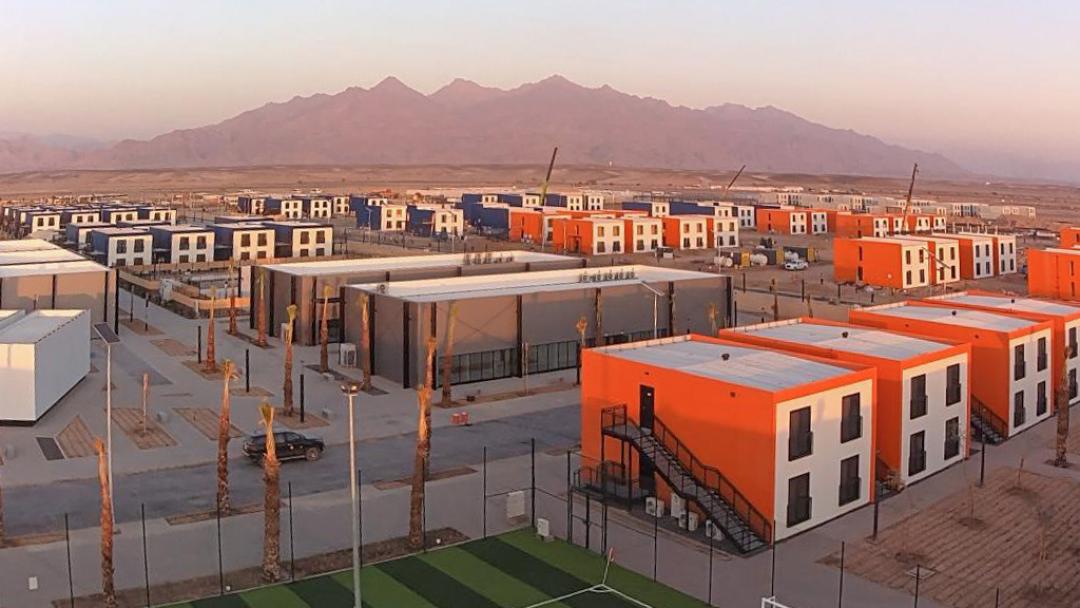
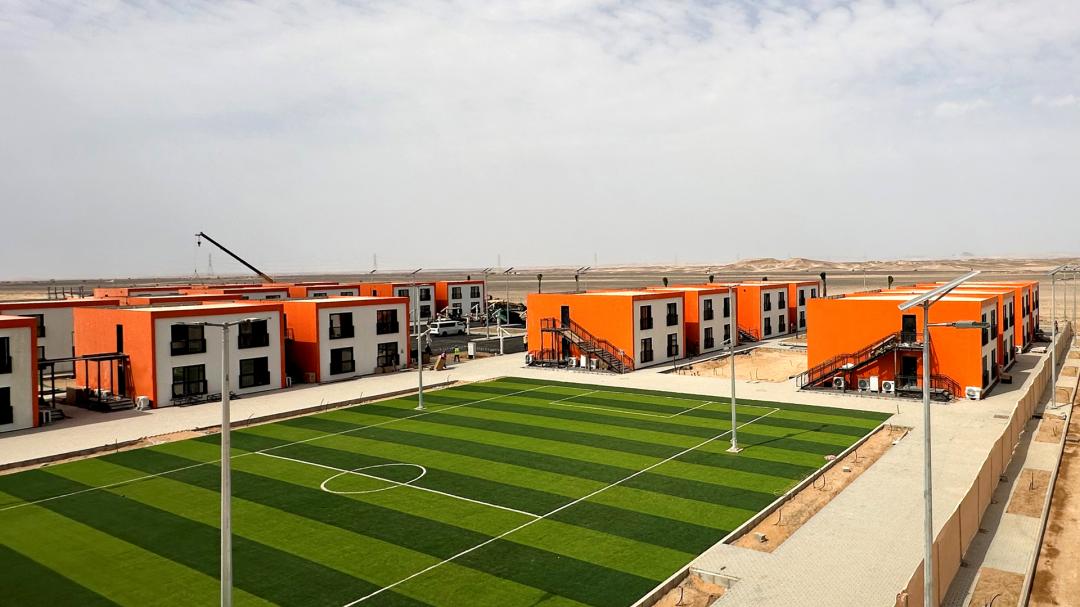
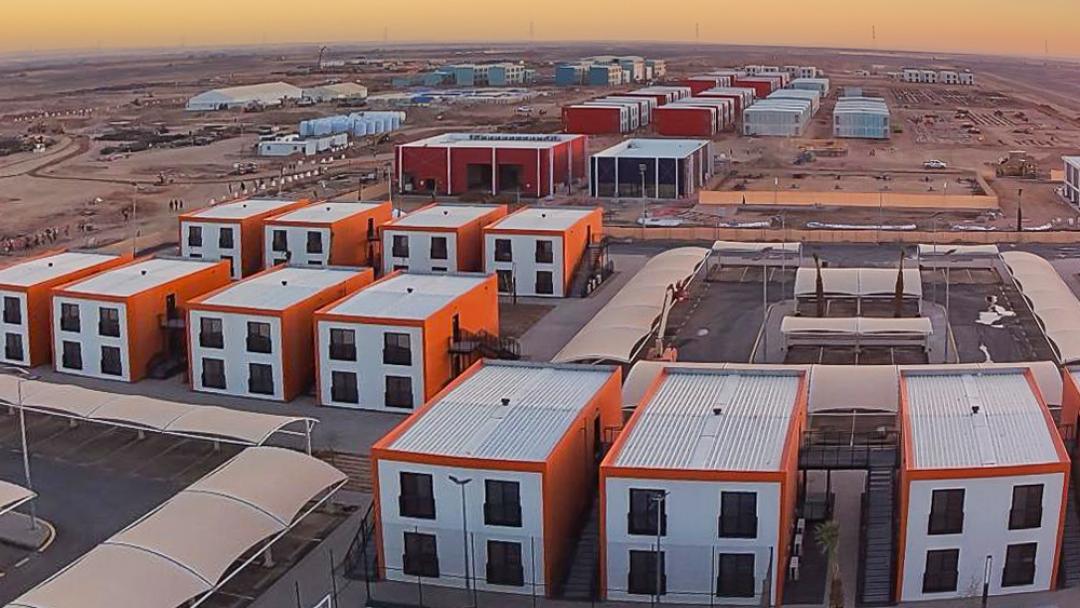
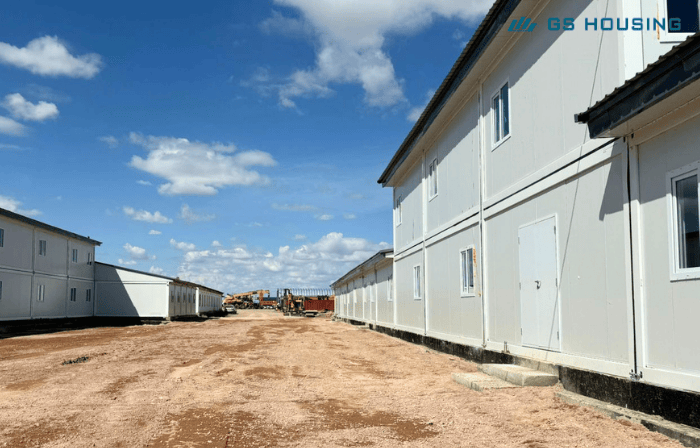
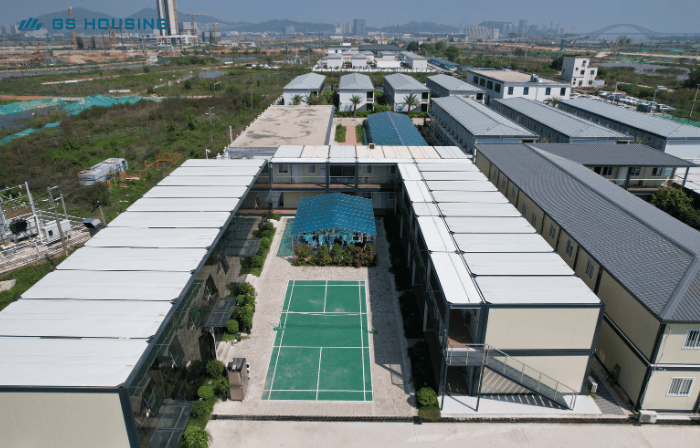
NEOM has built a modular living city for 30,000 residents in the Tabuk region, known for its extreme desert climate and challenging geographic conditions. By GS Housing Group, in only 18 months, the whole worker camp was designed and engineered, manufactured, logistically managed, and assembled on site, showing the amazing speed of industrialized modular construction.
Prefabricated Houses in Saudi Arabia – Advantages and Disadvantages
Prefabricated Houses Advantages
Reduced construction time: Prefab buildings are constructed in less time than traditional construction methods.
Reduced Labor Cost: Off-site manufacturing reduces the need for on-site labor, which is a plus point considering the continuous increase in labor costs in the Kingdom.
More quality control: Factory-controlled production for consistent quality and accuracy.
Energy efficiency: Prefab homes can be built with high-performance insulation and building envelope systems, which greatly reduce energy consumption and cooling loads.
Sustainable: Prefab buildings generate very little on-site waste, something that aligns with Saudi Arabia’s environmental goals.
Design Flexibility: Modern prefab building systems allow for a great deal of design flexibility, including room layouts and finishing materials.
Relocatability: Modular units are designed to be disassembled and relocated, creating long-term value as an asset.
Prefabricated Houses Disadvantages
Regulatory Flexibility: The challenge is to develop the regulatory frameworks and cultural norms that will enable the modular construction methods.
Technology adoption: Continued investment is required in the adoption of advanced technologies and in the development of skilled labor forces that can use prefabricated construction methods.
Transportation Logistics: The geography of the kingdom and remote locations of projects can be a challenge for delivery logistics in large-scale modular projects.
Market Education: There is still a growing consciousness, but some buyers and developers need to be educated on the quality, durability, and value of prefab housing.
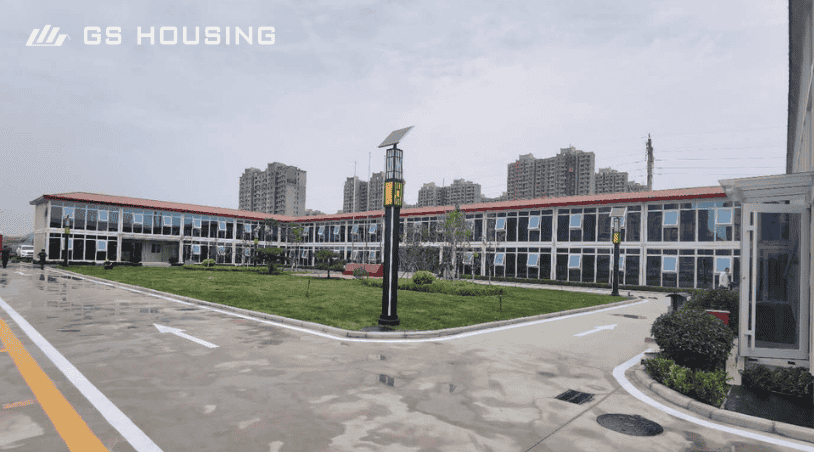
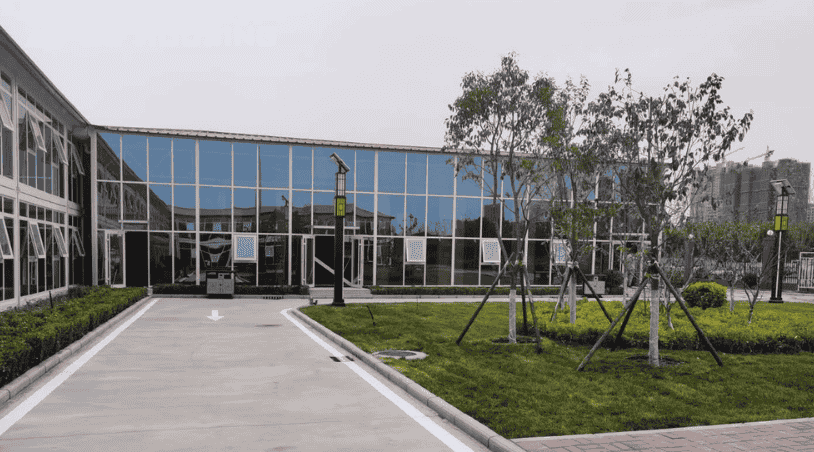


The Future of Prefab Houses in Saudi Arabia
There are signs of hope for the prefabricated building sector in Saudi Arabia. Rapid urbanization, population growth, and government initiatives to tackle housing shortages and the massive infrastructure requirements of Vision 2030 megaprojects will drive further market expansion.
Conclusion
The prefabricated building in Saudi Arabia is not just another construction method but rather a strategic tool for the most pressing housing and development issues in the Kingdom. Saudi Vision 2030 initiatives will help facilitate the country’s fast urbanization and growing demand for climate-resilient housing. The prefab construction industry is playing an increasingly vital role in Saudi Arabia's built environment, with the market expected to surpass USD 5 billion by 2030.
Prefab houses are demonstrating their versatility, durability, and value, from worker camps in the desert to luxury prefab villas in the mountains, from temporary site offices to permanent residential communities with 50-year certifications. As technology improves and acceptance increases, the question for developers and homeowners is not if they should consider prefab but what prefab is right for them.
Whether you are designing a worker accommodation camp or a large-scale residential development, GS Housing's prefab housing has speed of design, climate of construction, and the future in mind.
Post time: 02-06-26