


With the changing global security environment and the continuous upgrading of military operation models, modern defense infrastructure construction is facing higher demands.
Traditional military camp construction often requires long construction cycles, a large labor force, and complex on-site construction conditions. However, in scenarios such as emergency deployment, border defense, joint training, disaster relief, and peacekeeping operations, the military needs a movable camp construction method that can be rapidly deployed, flexibly expanded, and reliably durable.
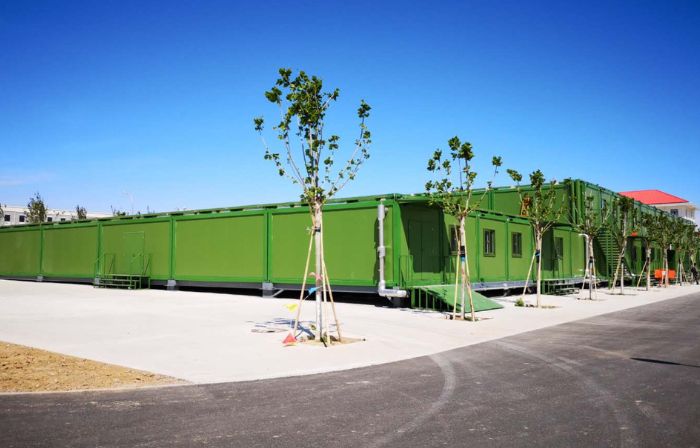
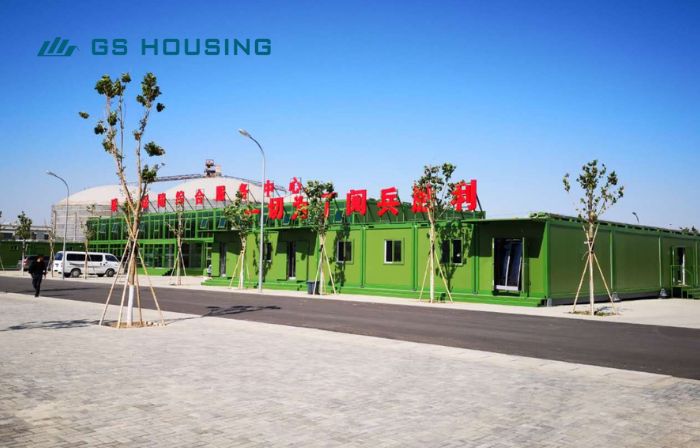
Against this backdrop, modular building and prefabricated camp construction have gradually become important solutions for modern military infrastructure construction. Modular military camps, through factory prefabrication and rapid on-site assembly, can complete large-scale camp construction in a very short time, providing the military with a safe, comfortable, and fully functional living and combat environment.
 |
 |
New Requirements for Modern Military Camp Construction
In traditional military base construction, most buildings utilize concrete or brick structures. While stable, this method has significant drawbacks:
Long construction period
High requirements for the construction environment
High cost
Lack of relocation capability
Modern military operations are characterized by high mobility, rapid deployment, and frequent changes in location. Therefore, barrack construction must meet the following requirements:
1. Rapid Deployment Capability
In border garrisons, overseas peacekeeping, emergency rescue, or temporary military operations, the military needs to establish a complete camp infrastructure within a short period.
2. Scalability
As the scale of the mission changes, the modular camp building needs to be able to quickly expand or adjust its functional layout.
3. Adaptability to Complex Environments
Modular army camps may be located in deserts, high-altitude cold regions, mountains, or islands; therefore, barrack buildings must possess excellent environmental adaptability.
4. Comprehensive Logistical Support
Modern military camps require not only accommodation space but also the following:
· Command center
· Medical facilities
· Canteen and kitchen
· Sanitary facilities
Therefore, a modular camp construction method that enables rapid construction, flexible combination, and stable durability has become an important direction for modern military engineering.
 |
 |
Core Advantages of Modular Military Camps
1. Rapid Construction and Deployment
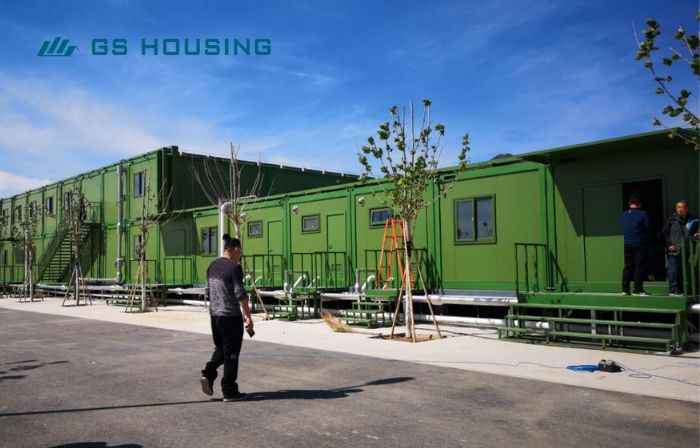
The biggest advantage of modular construction is its rapid construction speed. Most of the structure is manufactured in the factory, and only foundation construction and module assembly are required on-site.
A standard modular camp project can typically be completed and put into use within days to weeks, greatly improving the efficiency of military deployment.
This is particularly important for the following scenarios:
Forward-deployed operational modular bases
Temporary garrison modular camps
Peacekeeping force modular camps
Emergency camps for disaster relief
2. Flexible Combination and Expansion
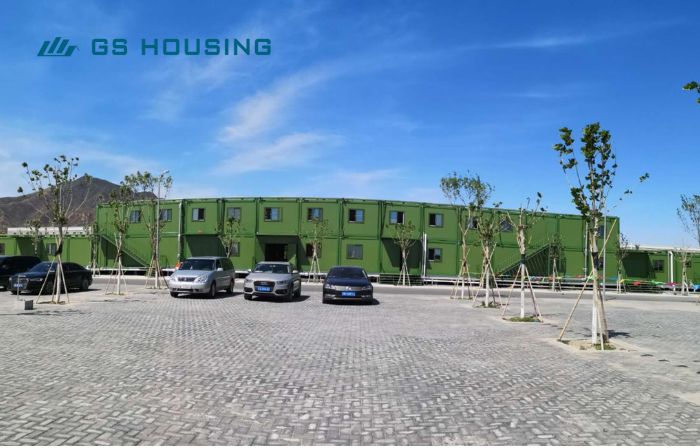
Modular military camps adopt a standardized modular design, allowing for free combination according to needs.
For example, a complete detachable modular camp can include the following:

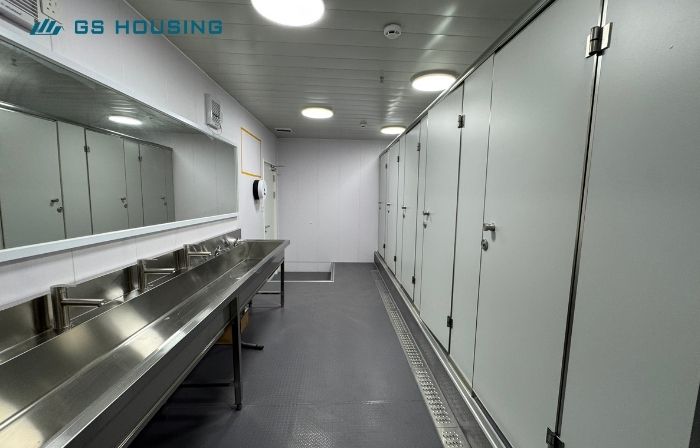
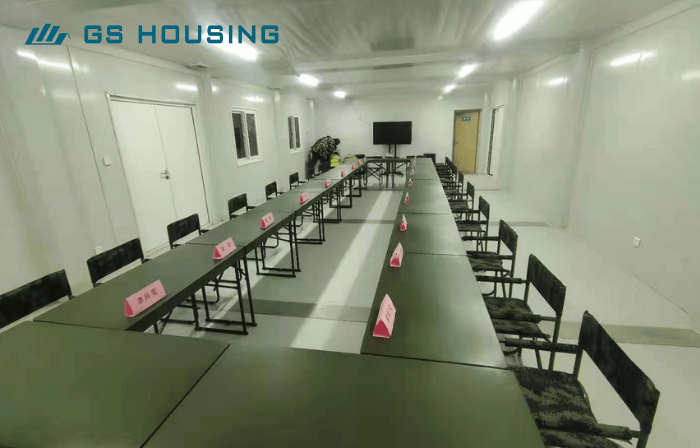


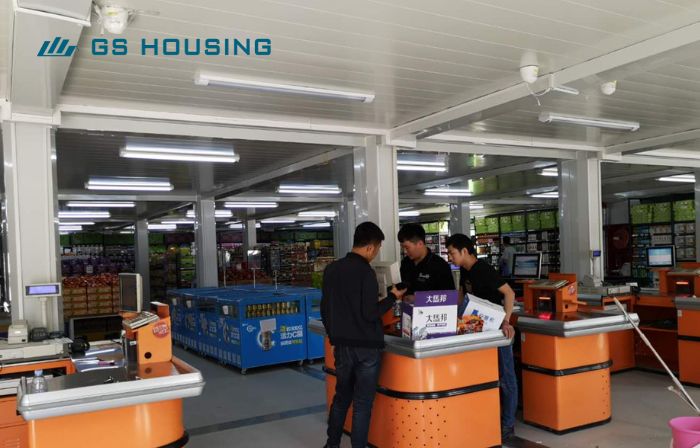
These functional modular units can be continuously expanded according to the scale of the mission to form a complete modular military base.
3. Relocatability and Reusability
Another major advantage of modular military camps is their mobility.
After a mission, the containerized military camp can be disassembled and transported to a new location for reassembly, which can significantly reduce long-term infrastructure investment costs.
4. High-Strength Structure and Weather Resistance
Modular military camps typically use steel frame structures and high-performance enclosure materials, enabling them to adapt to complex environments.
The modular buildings can withstand:
· Strong winds
· Extremely high or low temperatures
· High humidity
· Vibration during long-distance transportation
Therefore, they are ideally suited for deployment in remote areas or harsh environments.
5. Controllable Costs
Modular buildings, produced on a large scale in factories, allow for effective control of material and construction costs.
Furthermore, the short construction cycle reduces on-site construction expenses and labor costs, making the overall project investment more controllable.
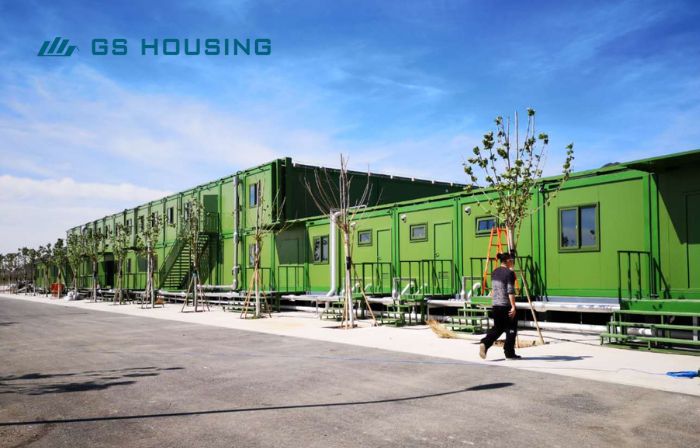
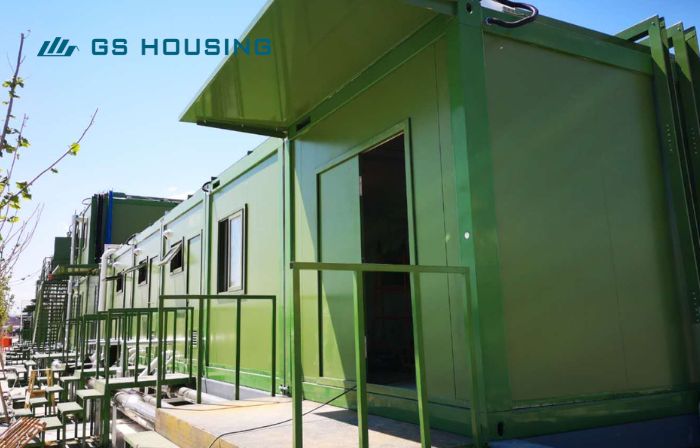
Modular Military Camp Construction Process
GS Housing provides clients with a complete modular camp construction process.
1. Project Planning
Develop an overall planning scheme based on camp size, troop numbers, and environmental conditions.
2. Module Design
Engineers design modular camp layouts according to functional requirements.
3. Factory Production
All container modules are manufactured in a standardized factory to ensure consistent quality.
4. Transportation and Logistics
Modular building units are transported to the project site by sea or land.
5. On-site Installation
A professional team performs rapid installation, allowing the military camp building to be operational in a short time.
Development Trends of Modular Military Camps
With technological advancements, future portable military camps will exhibit the following trends:
Intelligent modular staff camp management system
Green energy camps (solar power)
Higher standards of security and protection design
Faster deployment capabilities
Modular construction will become an important direction for future military infrastructure construction.
FAQ
1. What is a Modular Military Camp?
A modular military camp is a military camp composed of prefabricated building modules manufactured in a factory. These modules are rapidly assembled on-site to form a complete base, including soldier dormitories, command centers, and logistical facilities.
2. How long does it take to build a modular military camp?
Depending on the project size, modular military camps can typically be installed within days to weeks, much faster than traditional buildings.
3. Are modular military camps durable?
Yes. Modular military camps typically use a steel structure design and have excellent wind resistance, corrosion resistance, and weather resistance, making them suitable for long-term use.
4. Can modular military camps be relocated?
Yes. Modular buildings can be disassembled and transported to new locations for reinstallation, offering good reuse value.
5. Why choose GS Housing?
GS Housing offers the following advantages:
Extensive experience in modular construction
Large-scale production capacity
Complete camp construction solutions
International project experience
Rapid delivery capability
Therefore, it can provide reliable modular military camp construction services to clients worldwide.
Conclusion
With the changing patterns of global military operations, traditional construction methods are no longer sufficient to meet the needs of modern military infrastructure construction.
Modular military camps, with their advantages of rapid deployment, flexible combination, durability, reliability, and cost control, are becoming an important solution for defense engineering construction.
As a leading manufacturer in the field of modular construction, GS Housing leverages its advanced manufacturing capabilities and extensive engineering experience to provide efficient modular camp construction solutions to clients worldwide, helping governments and military agencies rapidly establish safe and reliable military infrastructure.

Post time: 16-03-26