Jiuquan Military Emergency Flat Pack Building Project
In remote areas of ecological protection, infrastructure must serve a purpose beyond simply providing shelter. It must allow people to work, live, and conduct long-term field operations while responding to difficult logistics and sensitive environmental conditions.
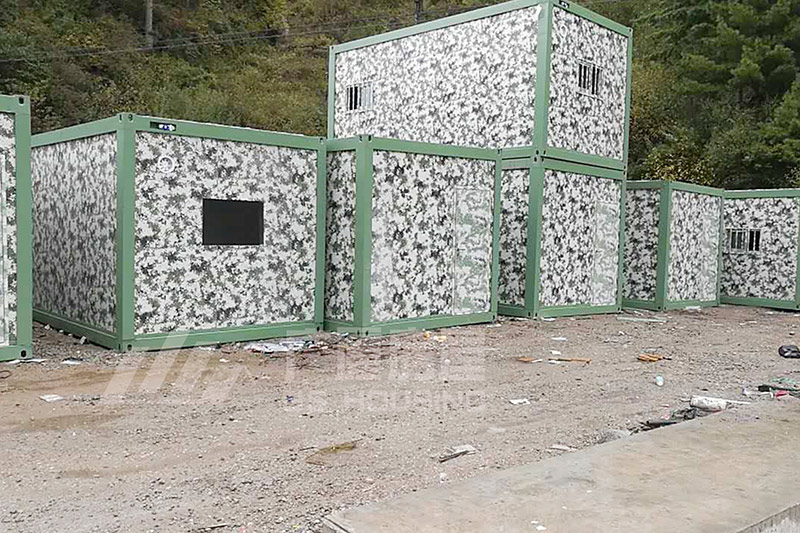
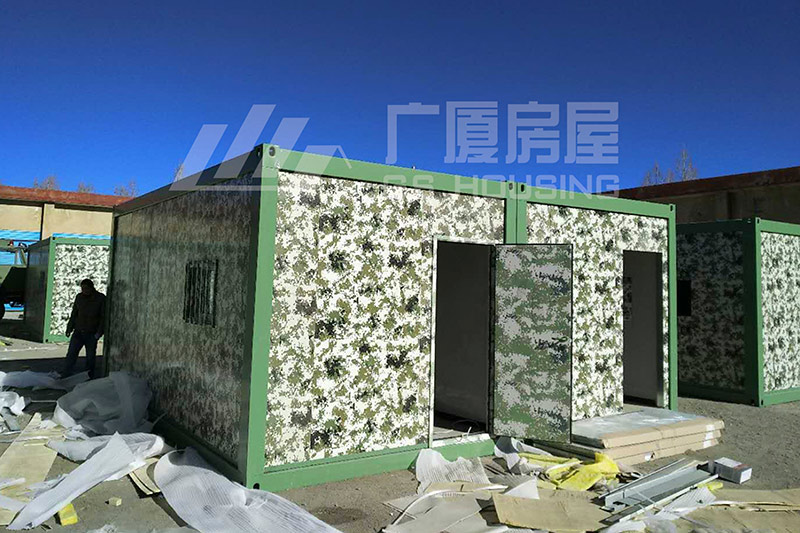
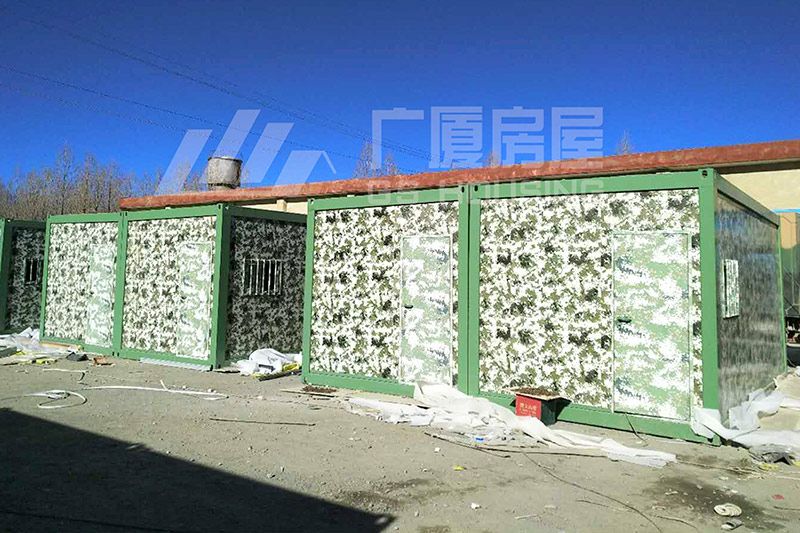
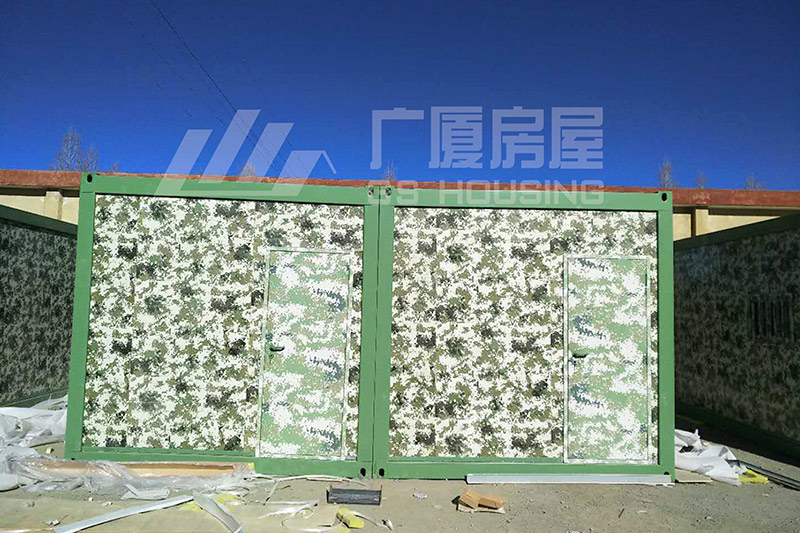
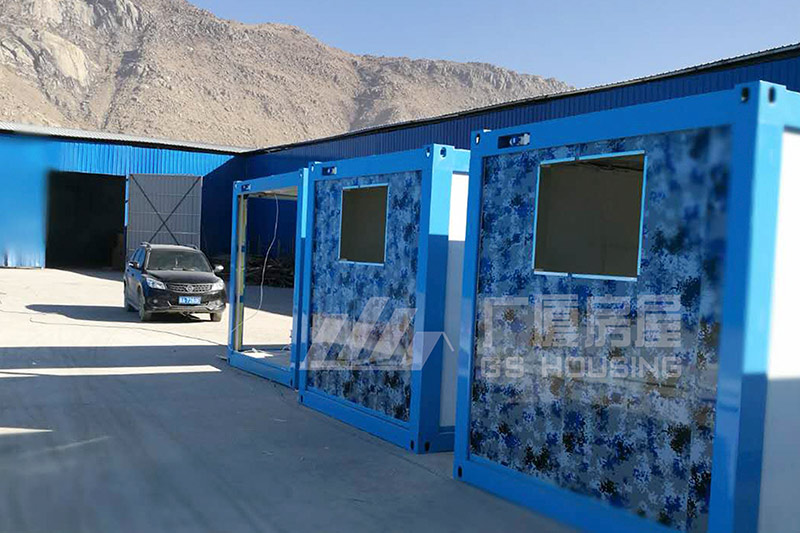
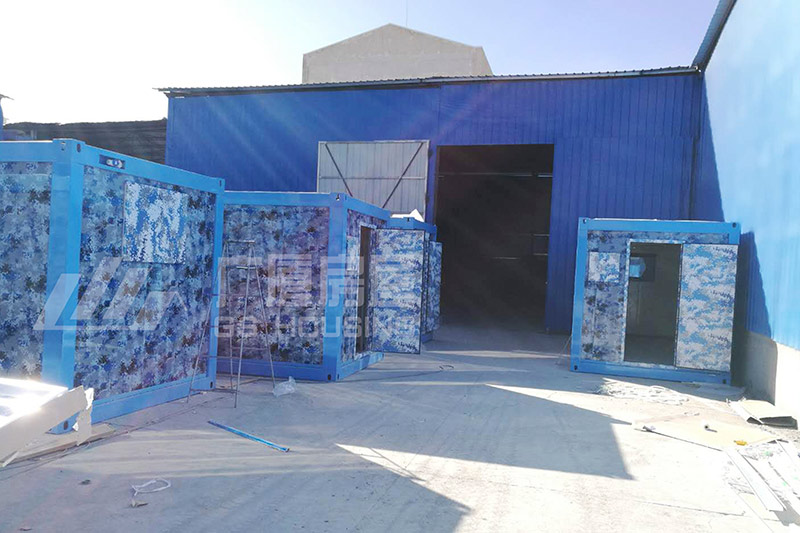
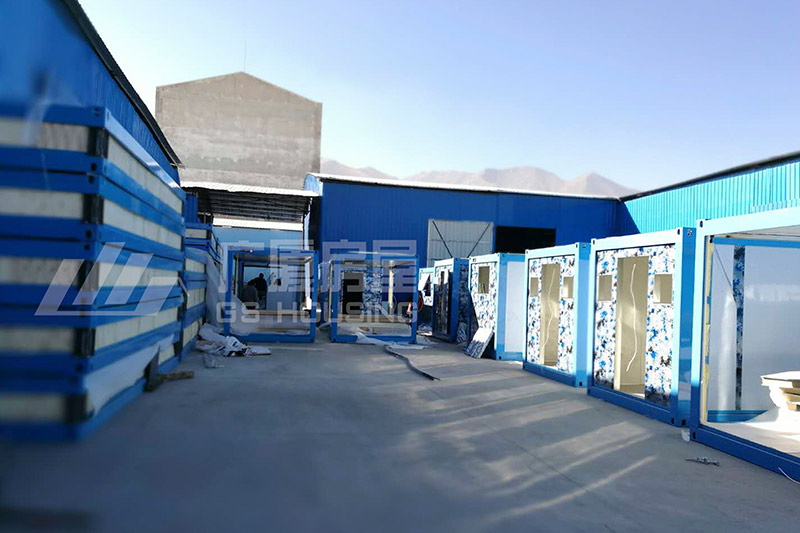
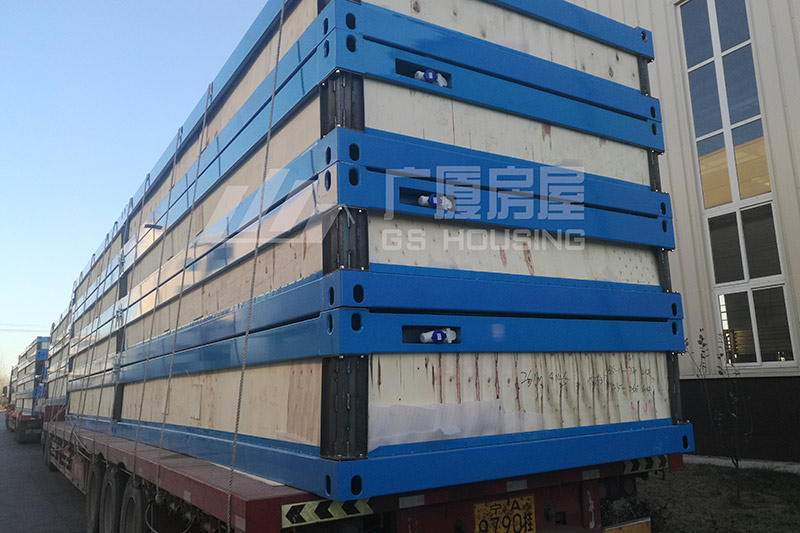
The Jiuquan Military Emergency Flat Pack Building Project is a typical representation of this demand. GS Housing supplied 179 sets of flat-pack buildings to the Chinese People’s Liberation Army in Ruoqiang County, Bayingol Mongol Autonomous Prefecture, Xinjiang, China.
The facilities are used to support environmental protection activities related to the Lop Nur Wild Camel National Nature Reserve and provide workspace, staff accommodation, and facilities for daily living.
A national-level ecological protection project managed by a Chinese military unit, it combines environmental protection with the infrastructure requirements of personnel in a remote desert area.
Project Overview
|
Project Item |
Details |
|
Project Name |
Jiuquan Military Emergency Flat Pack Building Project |
|
Client |
Chinese People’s Liberation Army |
|
Location |
Ruoqiang County, Xinjiang, China |
|
Quantity |
179 sets of flatpack buildings |
|
Project Type |
National ecological protection support project |
|
Main Applications |
Environmental workspaces, staff accommodation and daily living |
|
Service Area |
Lop Nur Wild Camel National Nature Reserve |
|
Building System |
Infrastructure for Ecological Protection in a Remote Region
The Lop Nur area presents a very different construction environment from an urban project. The region is remote, arid, and characterized by limited supporting infrastructure. Personnel working in ecological conservation therefore need facilities that can be delivered efficiently and provide a reliable working and living environment.
For this project, the flatpack buildings are not intended simply as temporary accommodation. Their role is to support the people carrying out environmental protection activities.
The facilities can accommodate functions such as environmental protection offices, fieldworkspaces, staff rooms, dining areas, sanitation facilities, and storage spaces. By combining these functions, flatpack modular units can form a practical field-based working and living environment.
This makes the project relevant to a growing range of applications, including environmental field stations, ecological monitoring facilities, nature reserve accommodation, and remote workforce housing.
A Military-Supported Environmental Protection Project
The project has a clear military dimension because it was procured for and managed by the Chinese People’s Liberation Army. However, its primary purpose is environmental protection rather than a conventional military barracks project.
This distinction gives the project particular value as a reference for military modular buildings.
Military and government organizations operating in remote regions may require infrastructure for purposes that extend beyond traditional accommodation. Environmental protection, field monitoring, emergency support, and remote personnel deployment can all require reliable facilities away from established urban areas.
In these circumstances, military prefab buildings, army accommodation buildings, and modular field facilities can provide a flexible infrastructure option.
The Xinjiang project demonstrates how flat-pack building can serve both operational and environmental requirements within the same project.
Why Flat Pack Buildings
Given the emergency procurement nature of the project, efficiency of delivery was an important consideration.
Traditional construction requires the coordination of large amounts of materials, equipment, and labor at the site. In remote areas this can add to the logistical complexity.
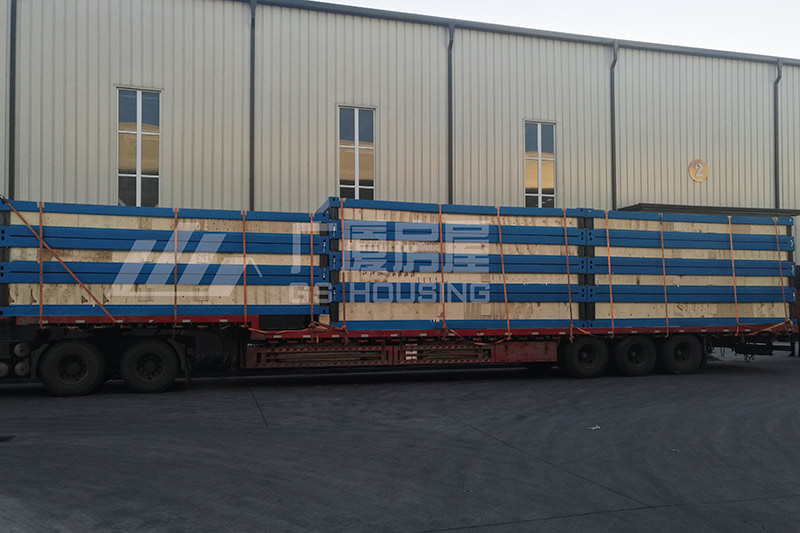
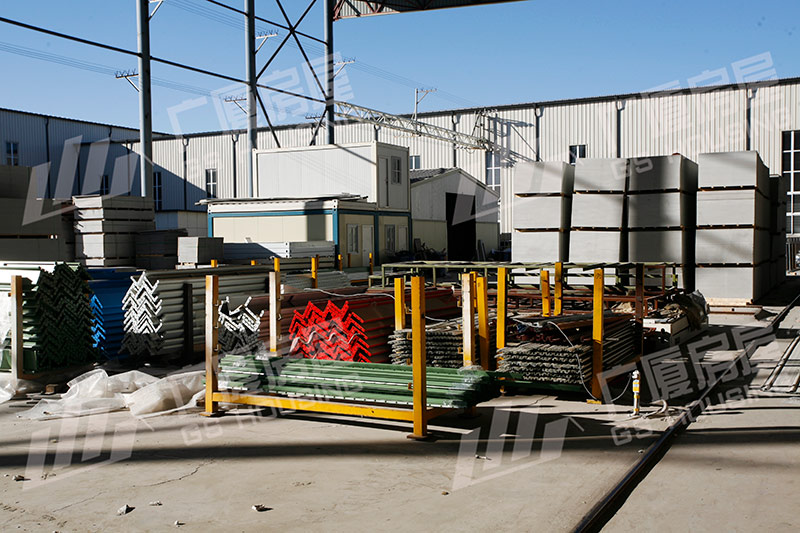
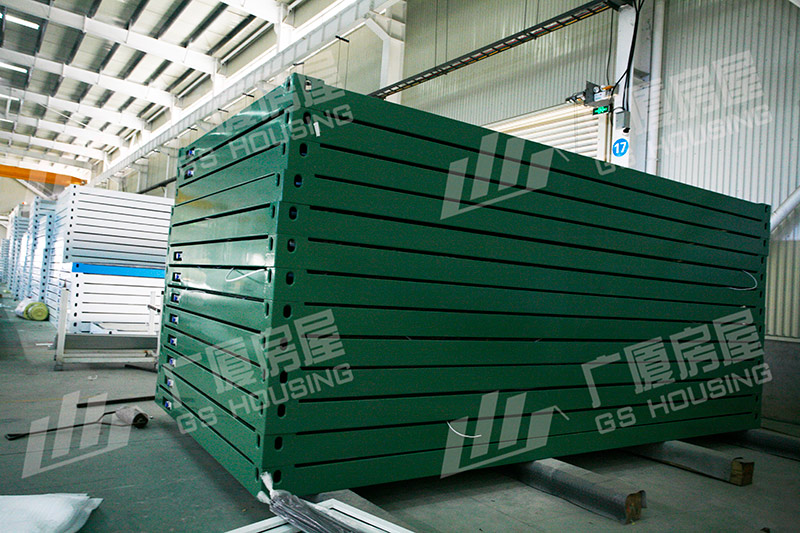
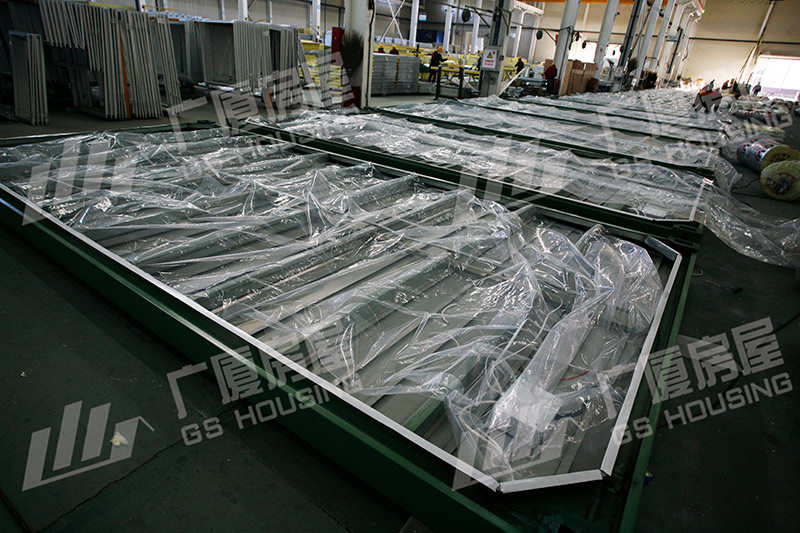
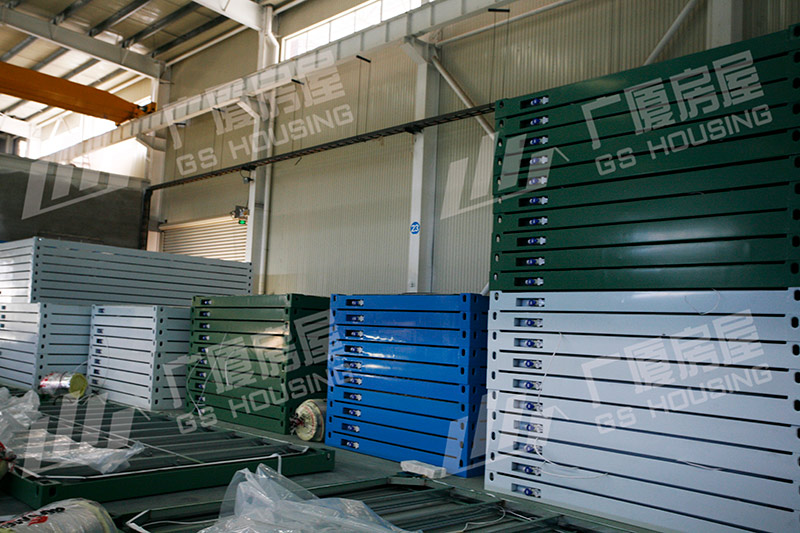
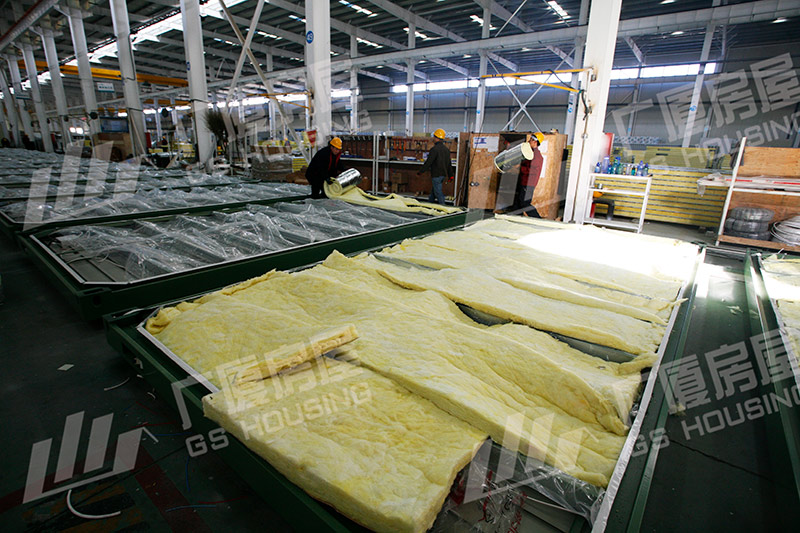
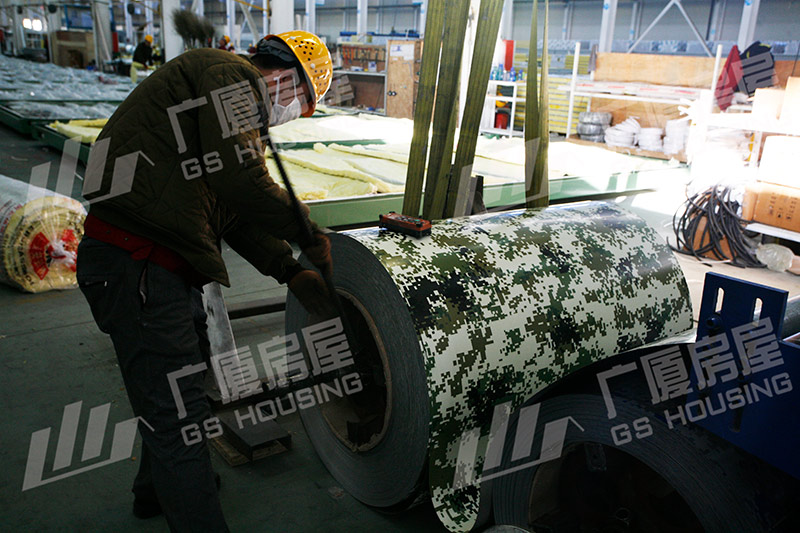
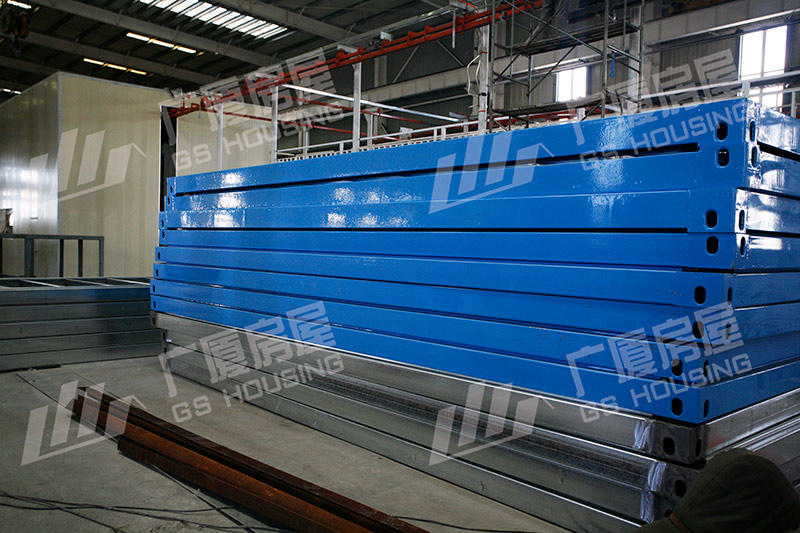
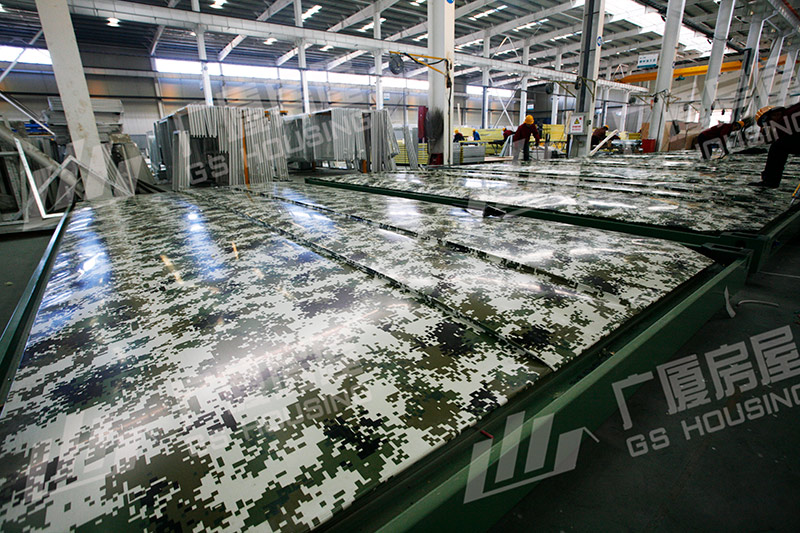
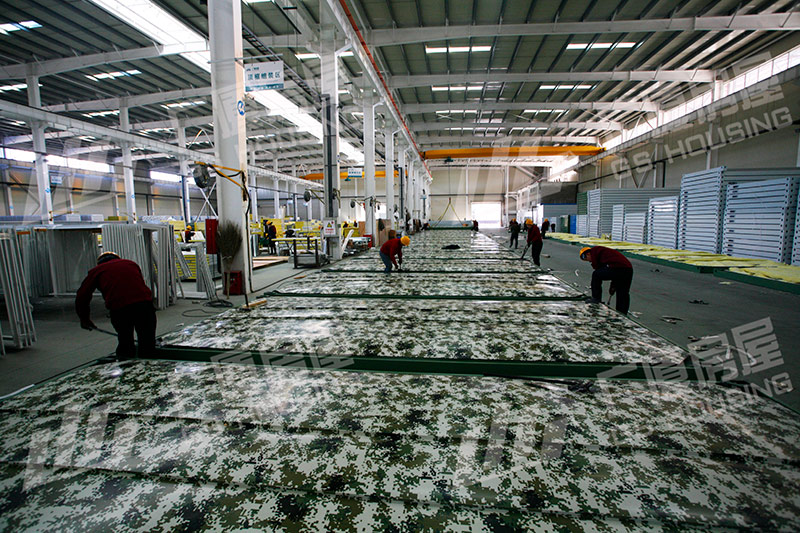
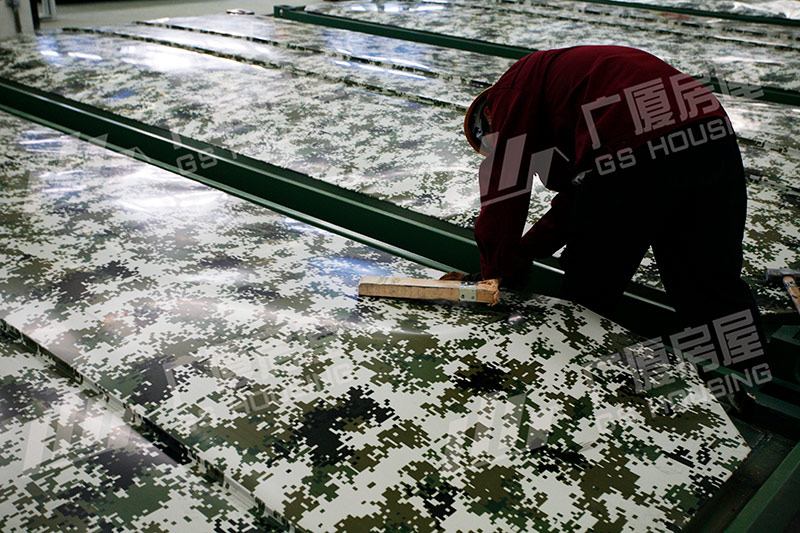
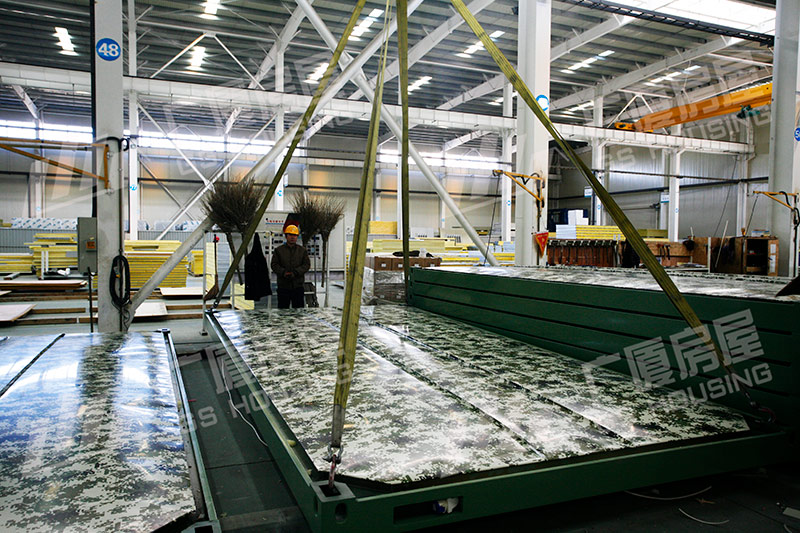
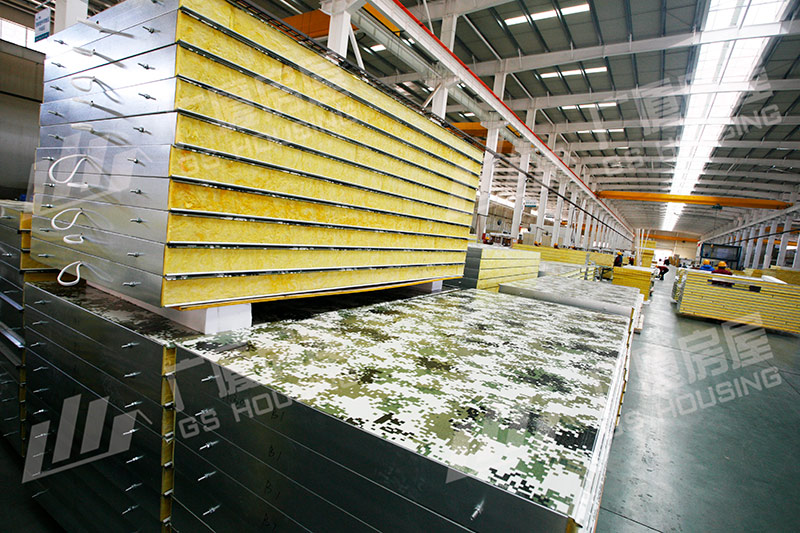
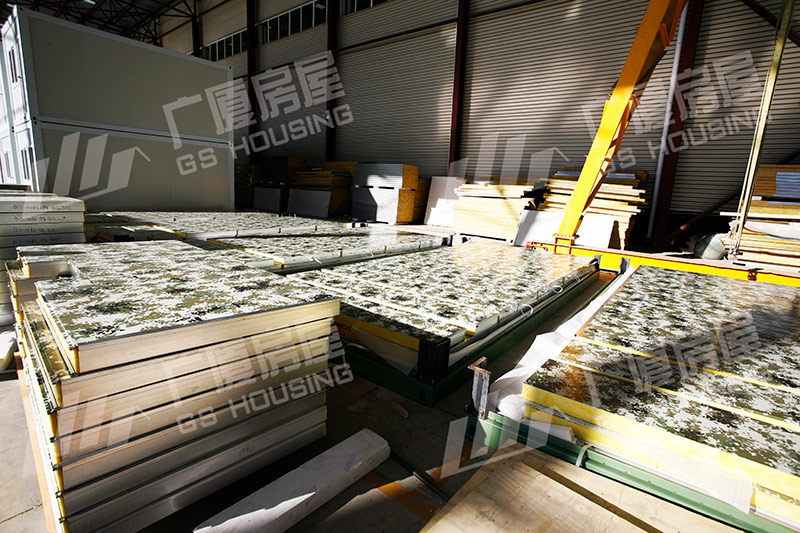
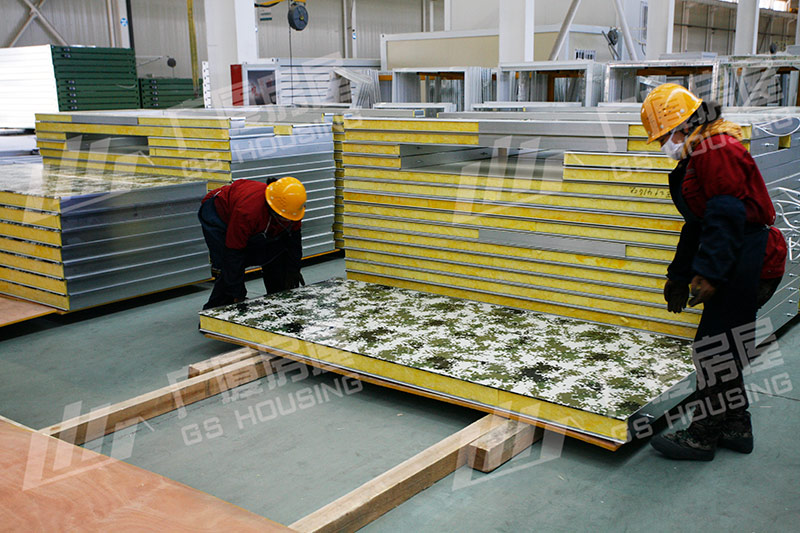
Flat-pack modular building requires the manufacture and quality control of many building components at the factory before transport to the project location. The site process is then mainly concerned with the assemblage and system connection.
This has several practical advantages for remote projects:
• Reduced on-site fabrication
• More orderly long-distance transportation
• Mass manufacturing
• More rapid generation of usable floor area
• Flexible mix of work and accommodation units
Standardized manufacturing is especially important for a 179-unit procurement in that repeated building components can be manufactured in controlled factory conditions.
Adapted to the Harsh Environment of Xinjiang
The setup of remote modular buildings must be tailored to local engineering circumstances, not a standard configuration.
In the planning of projects in Xinjiang, factors like temperature variation, strong winds, dust, solar radiation, foundation conditions, and structural loads must be considered.
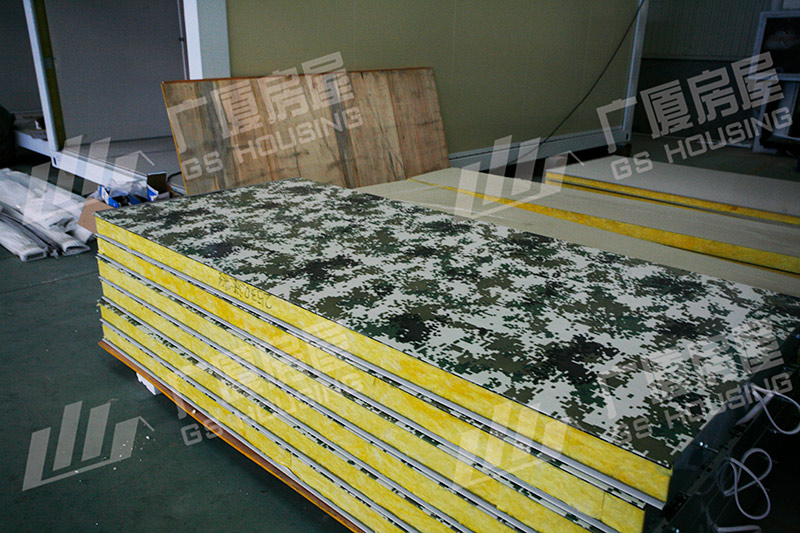
GS Housing flat-pack buildings are constructed using a galvanized steel structural system and insulated wall panels. The wall system may include hydrophobic basalt rock wool insulation for thermal insulation and Class A non-combustible performance.
The final configuration can be modified to meet local engineering requirements and intended use for remote lodging, environmental work stations, or military field buildings.
One Building System, Multiple Operational Functions
The 179-unit flat-pack buildings can be arranged into a number of functional areas according to the operational requirements of the site.
Environmental protection workspaces are enclosed spaces used for office work, coordination, and field activities.
Staff accommodation provides dedicated areas for staff working in remote locations.
Daily Living Facilities provides support for dining, rest, sanitation, and other essential functions.
Supporting facilities can meet storage and utility requirements.
One of the key differences between a flatpack building system and a single-use prefab shelter is this flexibility. They can be combined in multiples to give a coordinated facility. Standardized modules also allow easier future adjustment when operational requirements change.
Project Significance
The Jiuquan Military Emergency Flat Pack Building Project demonstrates a less conventional but increasingly important application of flat-pack modular construction.
Its significance comes from the combination of national-level ecological protection, military-supported project management, emergency procurement, remote desert conditions, and large-scale modular deployment.
For personnel working in the Lop Nur Wild Camel National Nature Reserve, suitable infrastructure provides the physical foundation for continuous environmental protection activities.
For military and government organizations, the project illustrates how military modular buildings and army accommodation solutions can be used in remote support roles rather than being limited to conventional camps or barracks.
For modular construction, it demonstrates how ready-made buildings can be adapted to projects where transportation, deployment efficiency, and environmental considerations are equally important.
GS Housing Flatpack Buildings for Remote and Military Applications
The Xinjiang project represents a clear example of this flexibility.
With 179 flat pack modules supporting environmental protection work and personnel living requirements, the project shows that the value of modular construction is not simply speed. In challenging locations, it is the ability to connect manufacturing efficiency, transportation, functional planning, and field deployment into one practical infrastructure solution.
For future ecological conservation, government, military support, or remote-area projects, this approach provides a scalable alternative to conventional site construction.
Frequently Asked Questions
1.What were the 179 sets flatpack modular buildings for?
They were primarily used for environmental protection activities, including workspaces, staff accommodation, and daily living facilities associated with the Lop Nur Wild Camel National Nature Reserve.
2.This was a military project?
This project was procured for the Chinese People’s Liberation Army, thus a military-supported national project. But the main goal of its construction is ecological and environmental protection.
3.Can modular buildings be used for army quarters?
Yes. Modular buildings can be used for army accommodation, military staff facilities, field offices, dining areas, storage, and other non-combat support functions.
4.Why are flat-pack buildings suitable for remote projects?
Being factory produced, efficiently transported, and standardized in-site assembly, they are particularly useful in situations where construction resources and supporting infrastructure are limited.
5.Can we use modular buildings in nature conservation areas?
They can be used for environmental field stations, staff housing, and other support facilities when the building design, site planning, and construction process satisfy applicable environmental and engineering requirements.
Are you designing a remote facility for environmental or military support?
GS Housing provides flat-pack building solutions for difficult project environments, from ecological conservation stations and nature reserve accommodation to military field facilities and remote staff housing.
If you need environmental protection workspaces, staff accommodation, army accommodation, military support buildings, or emergency modular facilities, our team can create a practical solution based on your site conditions, functional requirements, and project size.
Tell us about your project needs (location, building use, quantity, preferred layout), and let GS Housing develop a modular solution for your remote project.
Post time: 31-08-21