


In the event of sudden disasters such as earthquakes, floods, hurricanes, and wars, large-scale population relocation and resettlement pose primary challenges for governments and contractors. Traditional construction methods are time-consuming and complex, making it difficult to meet the emergency relief housing needs of the "golden 72 hours."
Against this backdrop, flat-pack container houses, with their advantages of rapid deployment, scalable replication, and controllable costs, have become a mainstream solution for post-disaster resettlement worldwide.
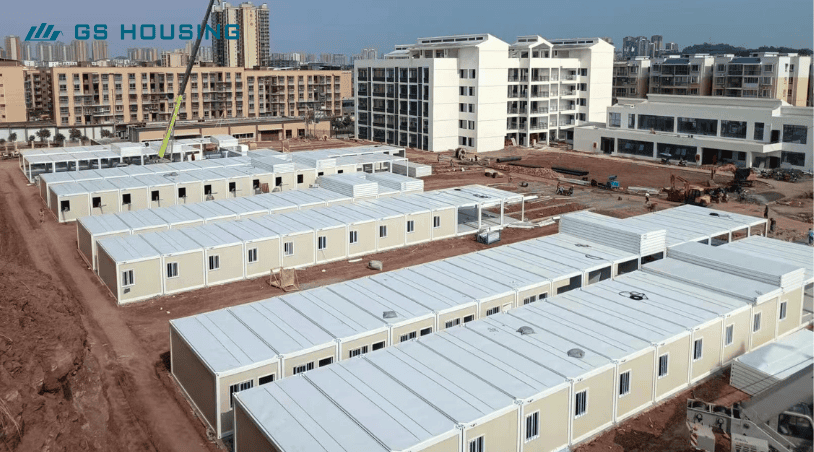
I. Why choose prefabricated houses as a post-disaster resettlement solution?
1. Rapid Deployment, Seizing the Golden Time for Rescue
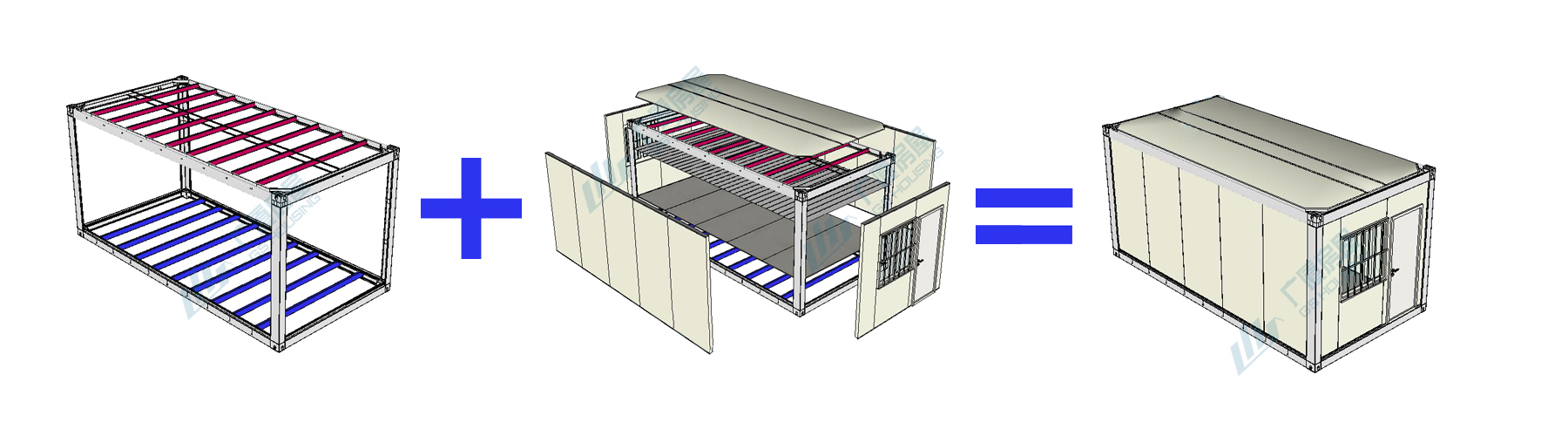
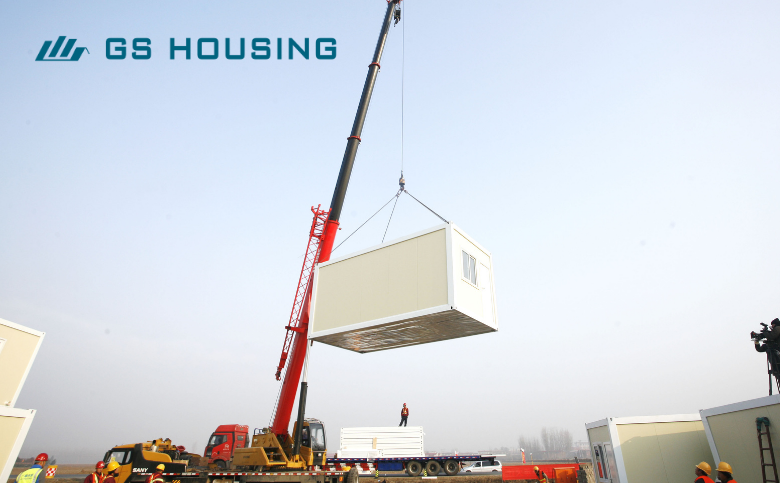
Prefabricated houses utilize a factory-prefabricated, on-site assembly model:
· Standardized component production
· Packaged transport of individual components (high loading capacity)
· On-site bolt connection, no welding required
Single prefab house unit installation takes only a few hours; large-scale prefab resettlement camps can be operational within 3–10 days
2. Efficient Transportation, Reducing Emergency Costs
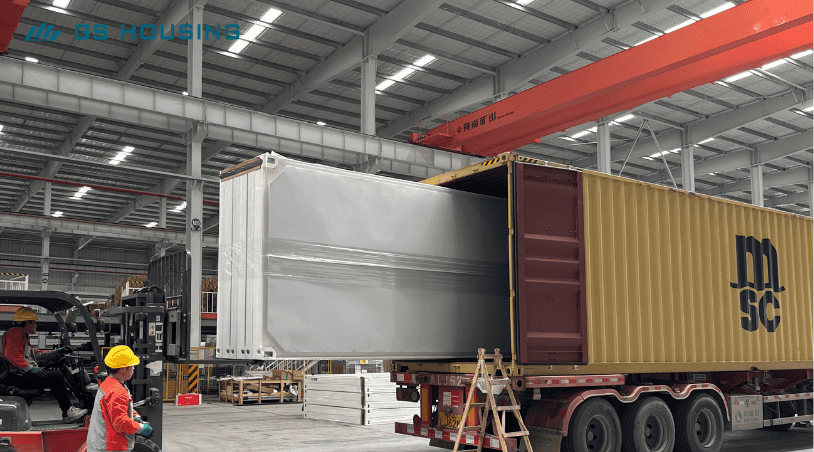
Compared to shipping container houses, prefabricated houses offer significant logistical advantages:
· A single container can hold multiple prefab housing components
· Reduced sea and land transportation costs
· Particularly suitable for remote and transnational rescue housing projects
For governments and international organizations, this translates to higher cost-effectiveness and broader coverage
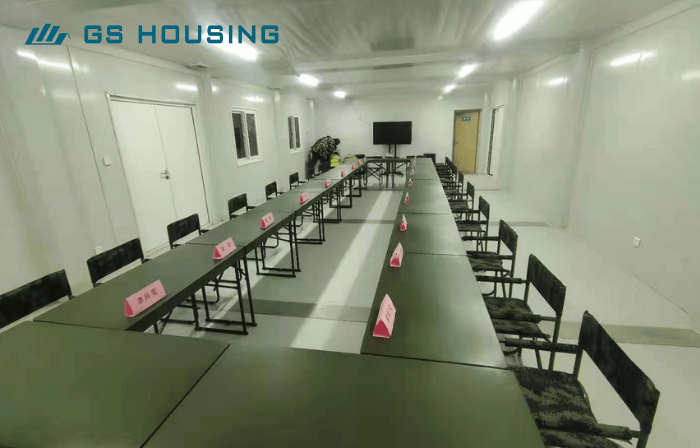
3. Modular Design, Supporting Large-Scale Replication
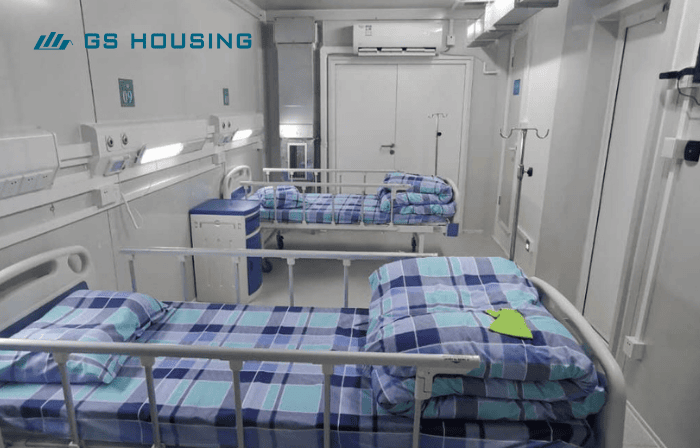
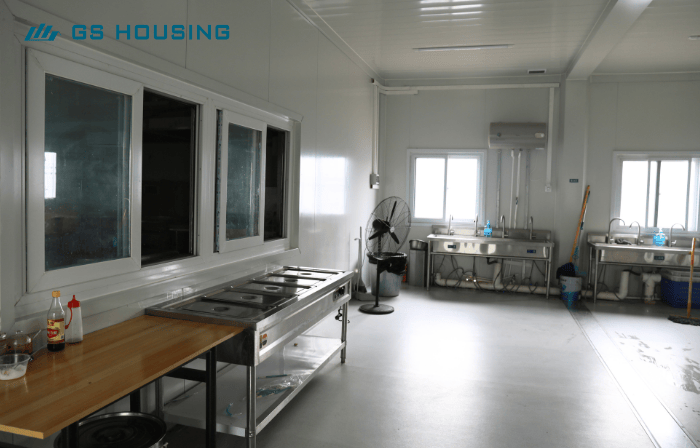
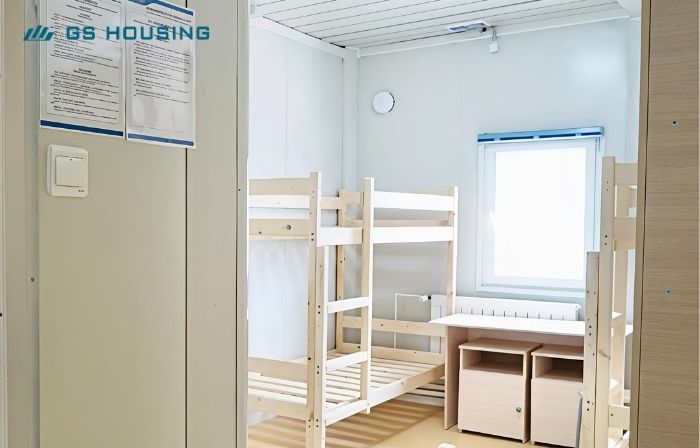
Can be quickly combined into temporary housing for workers' accommodation, modular medical stations, a command center, and a modular canteen.
Supports man camp expansion from hundreds to tens of thousands of people and meets the needs of different stages (emergency → transition → reconstruction)
 |
 |
 |
 |
4. Safe and reliable, adaptable to complex environments. Prefabricated houses can be customized to suit disaster area conditions:
· Fireproof and thermally insulated sandwich panels
· Wind-resistant and earthquake-resistant steel structure
· Moisture-proof and corrosion-resistant treatment
 |
 |
 |
 |
II. GS Housing's Comprehensive Post-Disaster Camp Solution Made By Prefab House
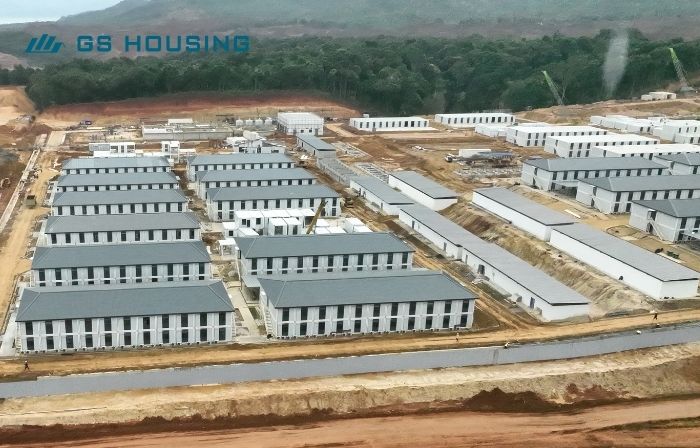
1. Integrated Prefab Camp System (Turnkey Solution)
GS Housing offers not only individual prefab houses but also complete prefab relief camp solutions
2. Engineering-Grade Manufacturing Capabilities
GS Housing possesses:
· Large-scale production capacity (to handle emergency orders)
· Standardized quality control system
· Multi-country project delivery experience
Ability to meet the high standards of governments, large contractors, and international organizations
3. Applicable to Various Post-Disaster Scenarios
· Temporary housing after earthquakes
· Flood victim modular resettlement sites
· Refugee camps and transition camps
· Epidemic isolation temporary facilities
· Post-war reconstruction workforce housing camps
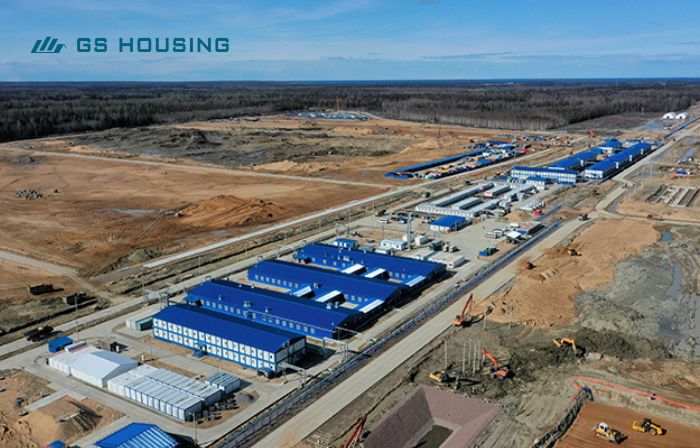
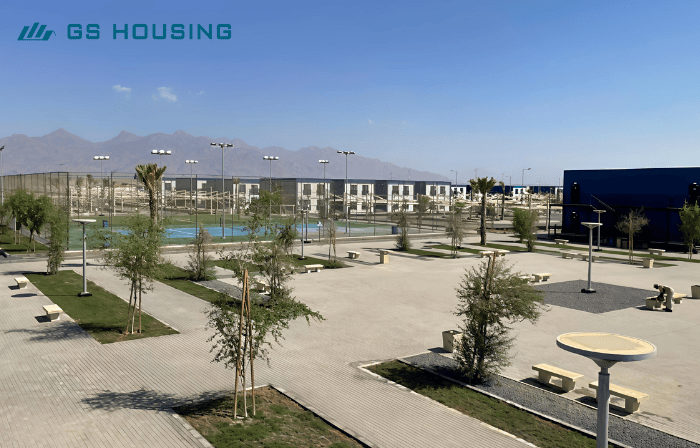
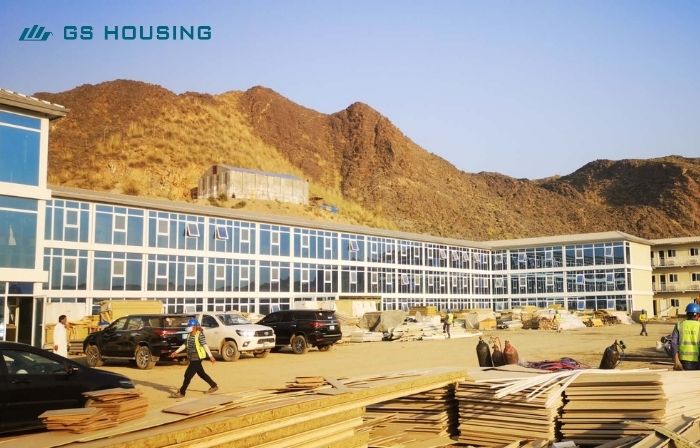
The Worker Village Project is a large-scale labor camp built as a part of the NEOM megacity construction in Saudi Arabia. capable of accommodating tens to hundreds of thousands of workers and is a crucial component of NEOM's infrastructure development.
III. Core Value for Government and Contractors
✔ Enhanced Emergency Response Capabilities
Rapid deployment, reducing the time for homelessness for disaster victims
✔ Reduced Financial Burden
High cost-effectiveness + reusability
✔ Simplified Project Management
Standardized modules reduce construction complexity
✔ Support for Long-Term Reconstruction
Easily transitions from temporary camps to long-term facilities
IV. FAQ
Q1: How long does it take to complete the construction of a post-disaster resettlement camp?
A: Typically, it can be put into use within 3-10 days after supplies arrive on site, depending on the scale.
Q2: Are prefabricated container houses suitable for long-term use?
A: Yes, standard products have a lifespan of over 20 years and are suitable for transitional and long-term resettlement.
Q3: Does it support large-scale camps (tens of thousands of people)?
A: Yes. The modular system can be quickly replicated and expanded, making it suitable for large-scale projects.
Q4: Is it adaptable to different climates?
A: Insulation, windproofing, and moisture-proofing configurations can be customized according to the region, suitable for global environments.
Q5: Is it reusable?
A: It can be disassembled, transported, and reinstalled, reducing long-term usage costs.
Q6: Does it include water, electricity, and supporting facilities?
A: Pre-installed electrical systems are supported, and complete supporting facilities such as water supply, drainage, and sanitation can be integrated.
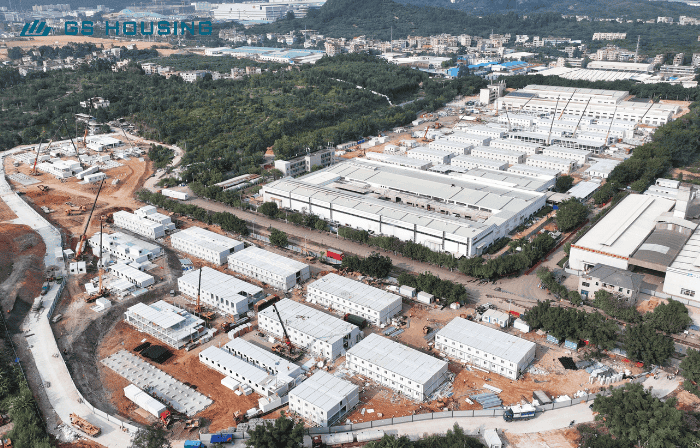
In the face of disaster, efficiency and safety determine the quality of rescue efforts. Prefabricated container homes, with their advantages of rapid deployment, scalability, and cost control, are becoming a crucial part of disaster relief infrastructure worldwide.
GS Housing, leveraging its mature modular construction technology and global project experience, is committed to providing governments and contractors with efficient, reliable, and sustainable emergency camp solutions.
If you are planning a disaster relief project or emergency camp construction, GS Housing is a trustworthy partner.
Post time: 30-03-26