


In the wake of natural disasters, refugee crises, and other emergencies, traditional housing solutions often face challenges, including slow construction, high costs, and transportation difficulties.
The emergence of flat-pack containers, with their industrialized prefabrication, rapid deployment, and sustainable recycling, is revolutionizing this emergency housing field.
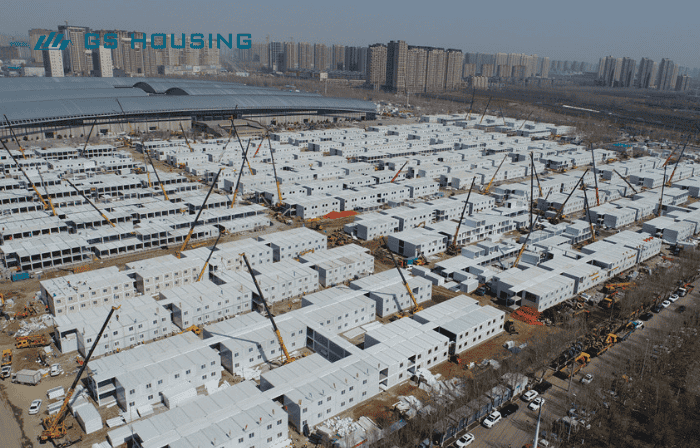
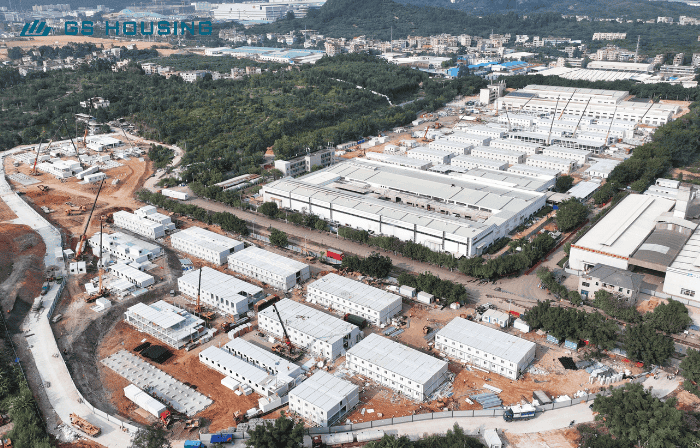
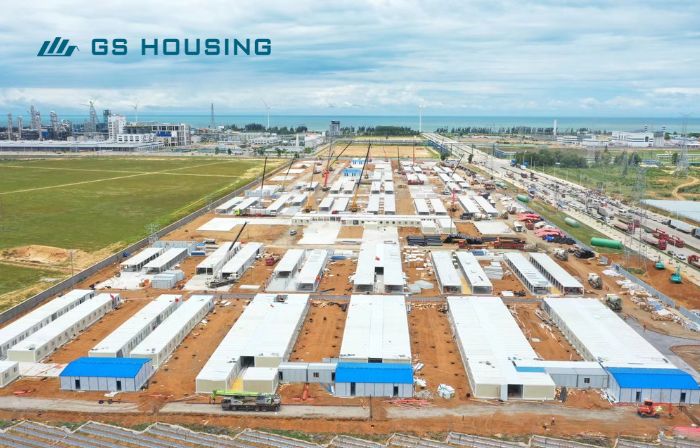

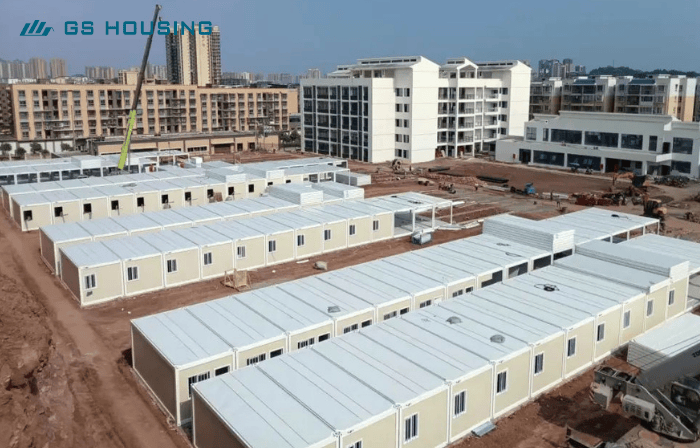
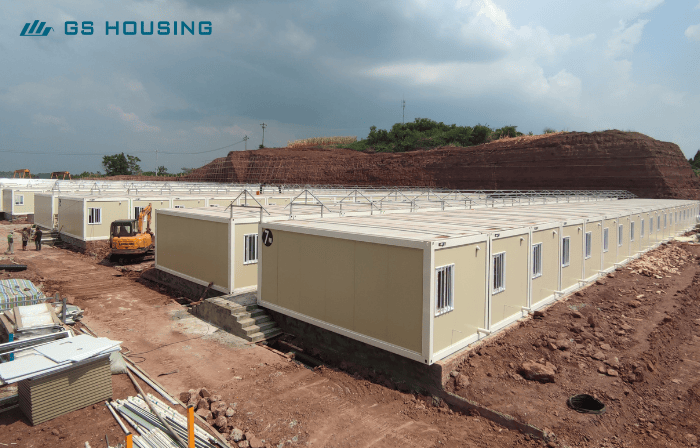
The Core Revolution: A Leap in Efficiency from "Construction" to "Activation"
I. Speed and Efficiency: Key Advantages of Flat Pack House in Emergency Response
During the critical 72 hours of disaster relief and the subsequent resettlement phase, speed is life.
Extreme Prefabrication Rate: Approximately 90% of the construction work for detachable flat-pack houses is completed in a controlled factory environment. This ensures extremely high quality consistency and construction precision, unaffected by on-site weather, terrain, or labor shortages.
"Ready-to-Use" On-Site Installation: Upon arrival on-site, no complex foundations are required compared to traditional buildings; simple ground leveling or precast concrete blocks are sufficient. Through hoisting, unfolding the house, assembly, and connection of pre-installed pipelines, a single unit can be ready for occupancy within hours.
A medium-sized resettlement site building can be deployed within days, 3-5 times more efficient than setting up tents or prefabricated panel houses.
Parallel operation capability: While basic preparations are underway on site, the flat pack container is being manufactured in the factory or transported in transit, achieving "time folding" and greatly shortening the total cycle from decision-making to delivery.
II. Cost-Effectiveness and Logistics of Flat Pack Emergency Refugee Housing: The Cornerstone of Scaled Deployment
Emergency disaster housing solutions require consideration not only of construction costs but also of total life-cycle costs and logistical feasibility.
Large-scale production reduces costs: Standardized and modular designs align with the logic of large-scale industrial production, significantly reducing unit costs through bulk purchasing and assembly line operations.
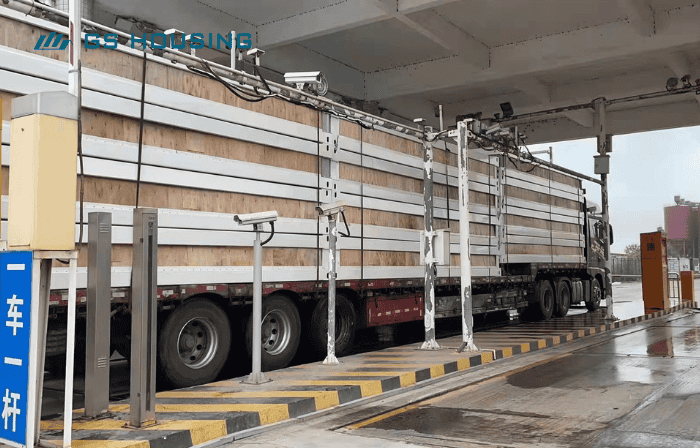
Foldable design: a foldable design for transport, increasing the carrying capacity of a single standard container by 3-4 times, greatly reducing unit transportation costs—crucial for international aid and disaster relief in remote areas.
Multimodal transport: Seamless transitions from sea to rail and road transport are easily achieved.
Long lifespan and recyclability: Prefabricated container houses are typically designed for a lifespan of 15-20 years or more, and the steel structure is 100% recyclable.
After being used in a disaster, it can be repaired and refurbished, then stored in a reserve or transferred to other regions for reuse, thus transforming it from a "disposable consumable" to a "sustainable asset" and reducing long-term costs.
III. Robust and Durable: A Reliable Modular Emergency Shelter in Harsh Environments
Compared to temporary tents, flat pack containers offer inherently safer physical protection.
Strong Structural Security: The steel frame structure, derived from shipping containers, boasts excellent wind resistance (withstanding typhoons of force 12 or higher), earthquake resistance (fortification intensity of 8 or higher), and snow pressure resistance. It effectively copes with aftershocks and secondary severe weather after disasters.
Superior Physical Properties: The composite walls integrate insulation, class A fire-resistant materials, sound insulation, and waterproofing.
Good airtightness and thermal insulation allow it to maintain a comfortable indoor temperature in extremely cold (-40℃) or extremely hot (50℃) environments, protecting the health of vulnerable populations through auxiliary heating or cooling equipment.
Better Protection and Privacy: Robust door locks and walls provide residents with psychological security for their property and personal safety, while also protecting personal and family privacy—a crucial aspect of upholding the dignity of disaster victims.

IV. Living Comfort and Functional Expansion: Flat Pack Containers Make Your Life Better
Flat pack container houses not only address "safe living" but also "dignified living," providing a foundation for community recovery.
Modern Living Conditions: Pre-integrated solar power systems, energy storage batteries, LED lighting, USB charging ports, basic bathroom facilities, and even air conditioning equipment enable rapid access to water and electricity.
Flexible Functional Combinations: Modular design allows for free assembly, much like Lego bricks. Container living units can be quickly combined to form public facilities such as medical clinics, command centers, schools, community kitchens, and health stations, facilitating the rapid deployment of housing for post-disaster social service systems.
Community-Oriented Layout Possible: A well-organized layout facilitates the planning of roads, water supply, drainage, and power networks, easily forming orderly temporary shelter village. This is beneficial for management, disease prevention, and the formation of community cohesion, laying the foundation for long-term recovery and transition.
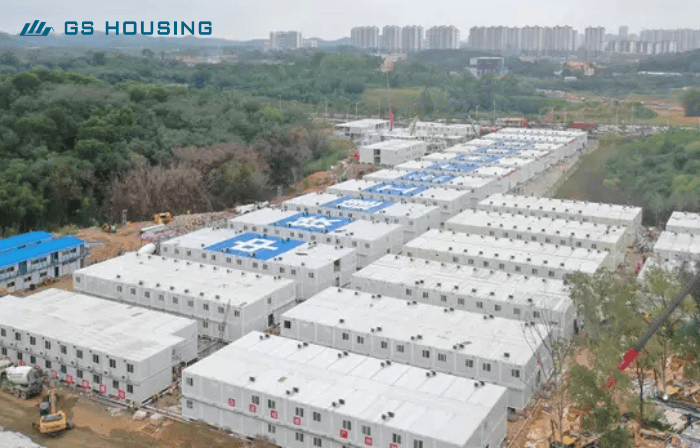
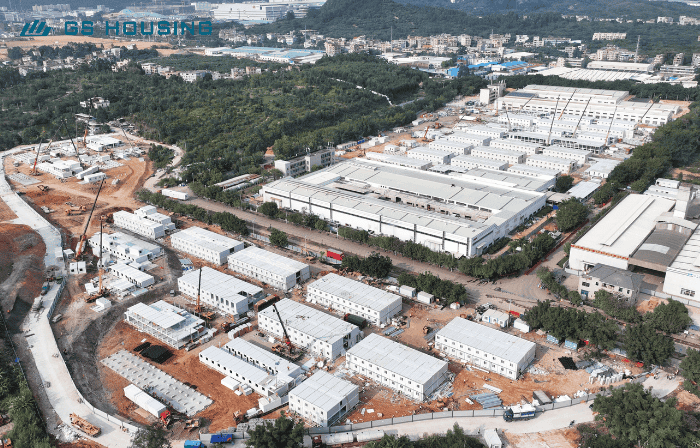
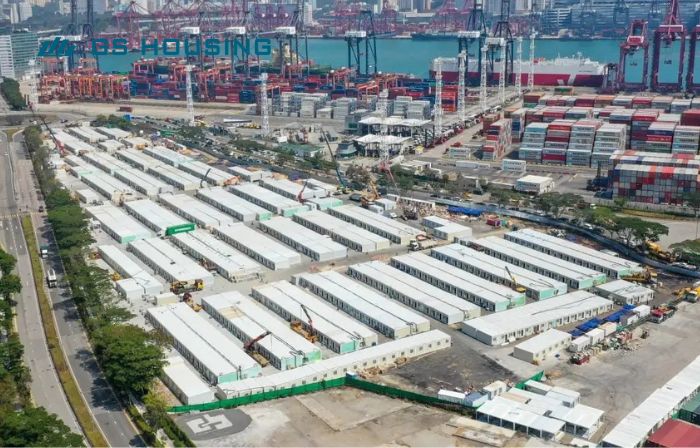

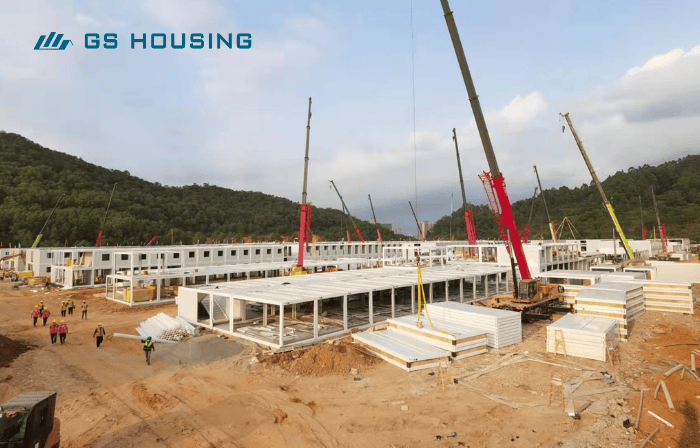

Flat-pack container houses represent a paradigm shift in emergency housing from "temporary tents" to "rapidly deployable modular buildings" and are one of the best practices combining modern engineering technology with humanitarian concern.
Post time: 23-03-26